
Tanzania Safari

How to Choose the Right Tanzania Safari Company: A Traveler’s Guide

A Tanzania safari is one of those trips people remember for the rest of their lives. Watching the sun rise over the Serengeti, seeing elephants move across the plains, spending a night under some of the clearest skies on Earth. These are the moments you’re planning for.

The company you travel with shapes all of it. A great safari company turns a good itinerary into an unforgettable experience: the right guide, the right timing, the right camp in the right place at the right moment.

The good news? Choosing well isn’t complicated once you know what actually matters. This guide walks you through how to choose the right Tanzania safari company so you can book with confidence and focus on the adventure ahead.
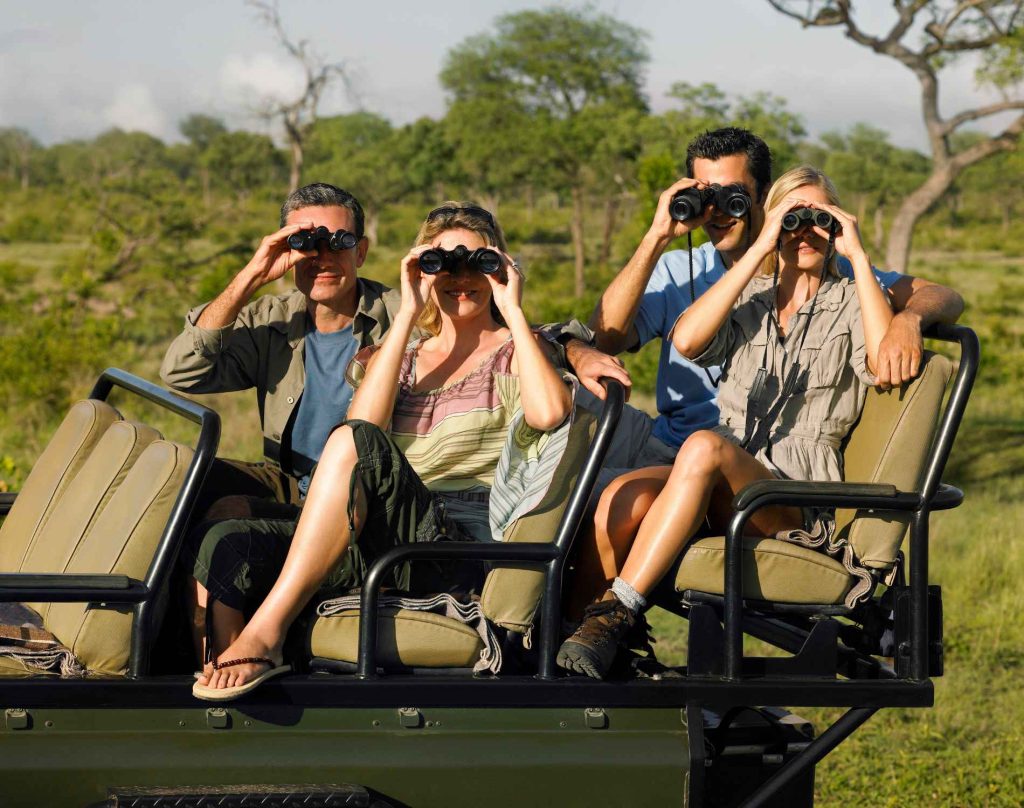
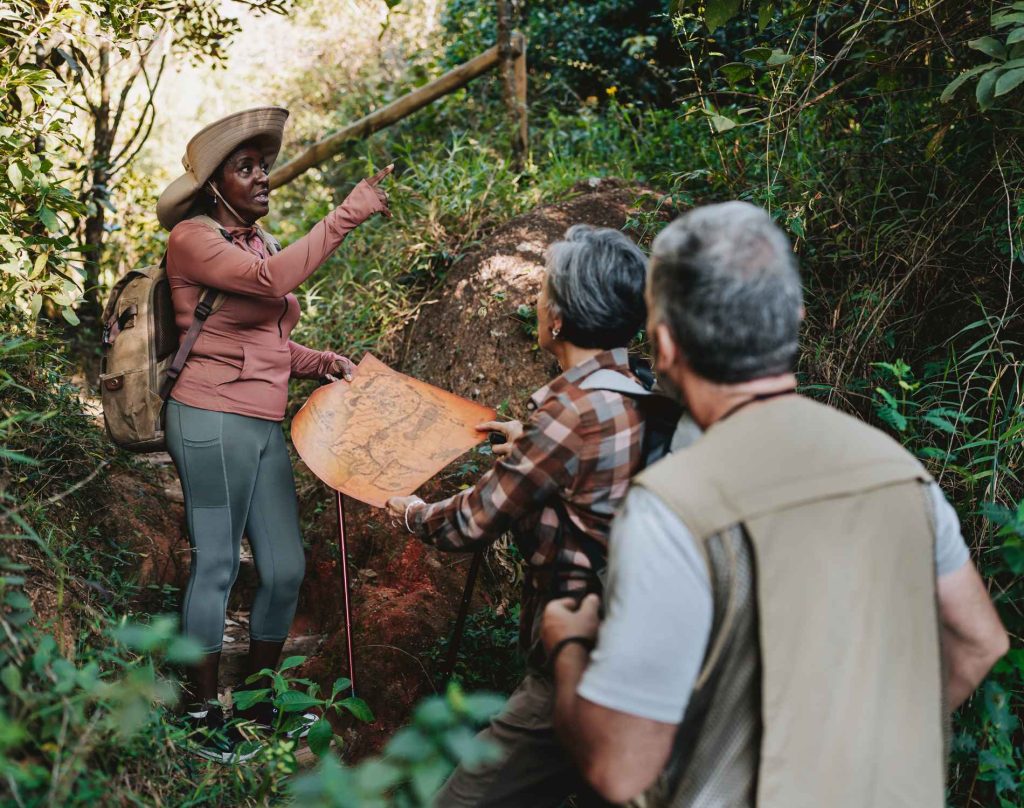
Private Safari vs Group Safari in Tanzania: Which Suits Your Trip?

You’ve decided on Tanzania for your safari. Now comes the harder choice: do you book a private safari or join a group tour?

This decision shapes nearly everything about your experience – your cost, your schedule, who you travel with, and how much you see. Yet many travelers make this choice based on incomplete information or assumptions that don’t match their priorities.

This guide breaks down the real differences between private and group safaris in Tanzania, covers the trade-offs honestly, and helps you determine which option actually fits your situation.

Why Book Your Tanzania Safari with a Local Tour Operator: The Real Advantages

You’re planning a Tanzania safari. Your options are clear: book through a large international travel company, or hire a local operator. The international brand feels safer. They have a website, testimonials, and a phone number in your timezone. The local operator has good reviews too, but they’re smaller, less polished, and based thousands of miles away from that reassuring call center.

The skepticism is rational. But this choice comes down to one fundamental difference: who owns the problem when something goes wrong?

When you book with a local Tanzania safari operator, the person managing your trip lives in Tanzania. When your flight delays and you miss your arrival transfer, they’re already adapting. When wildlife doesn’t show on day two, they’re deciding in real time whether to adjust your itinerary. When you have a question at 3 a.m., someone who knows the ground is available to solve it, not a call center reading a script.

This isn’t sentimental reasoning. It’s operational. And it changes the outcome of your safari fundamentally.

What’s Included in a Tanzania Safari Package: A Clear Breakdown

A Tanzania safari package can range from $200 to $2,500+ per person per day, and that’s where most people get stuck asking the same question: what exactly am I paying for?

Safari pricing isn’t transparent by nature. Hotel websites show room rates. Airlines list seat prices. But safari packages bundle logistics, expertise, accommodation, transportation, and wildlife access into one opaque line item, making it difficult to compare value or understand whether you’re overpaying.

This matters because a safari is a significant investment, often $3,000 to $15,000+ per person for a full trip. A miscalculation on what’s included can mean surprising costs on arrival, unmet expectations, or worse, a compromised experience because you chose based solely on the lowest price.

This guide breaks down exactly what’s included in a Tanzania safari package, what commonly gets left out, and how to evaluate whether a quoted price actually reflects the experience you want.

Tanzania Safari Requirements: Complete Visa, Vaccination & Entry Rules Guide

Planning a safari to Tanzania is exciting, but the paperwork shouldn’t hold you back. Many travelers delay booking because they’re unsure about visas, vaccinations, and entry requirements. The reality is simpler than you think.

This guide covers everything you need to know about Tanzania safari requirements, so you can move past the logistics and focus on the adventure ahead. Whether you’re a first-time safari visitor or returning to explore new parks, understanding these entry rules takes the guesswork out of planning.
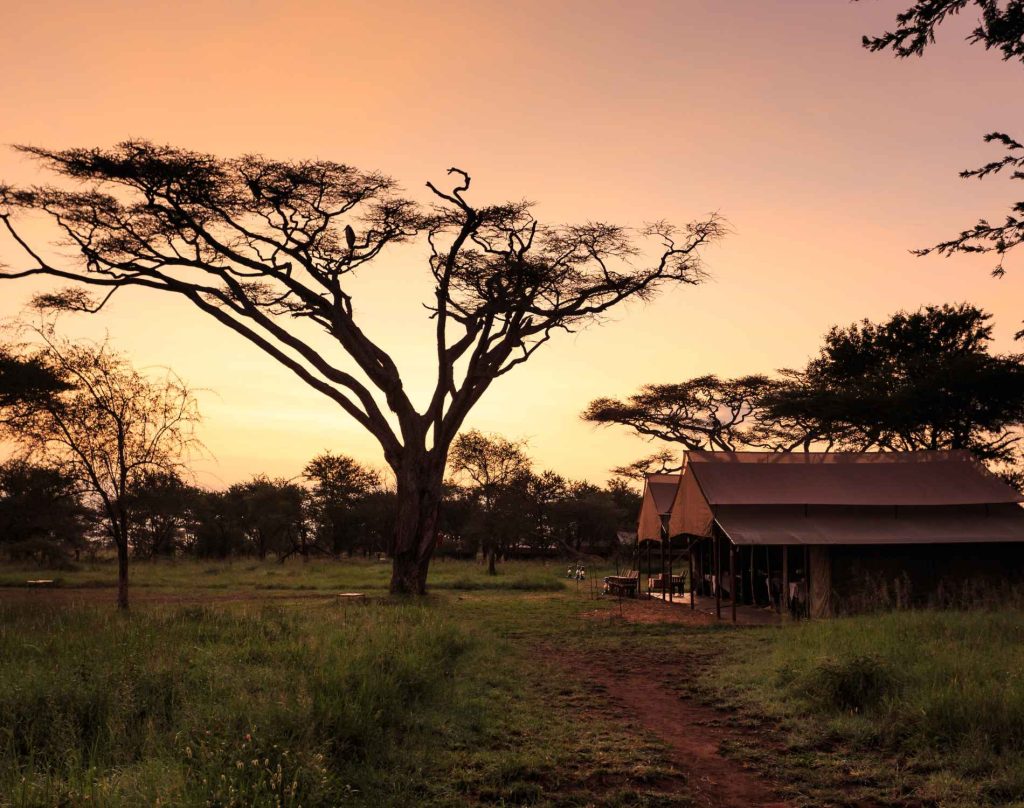
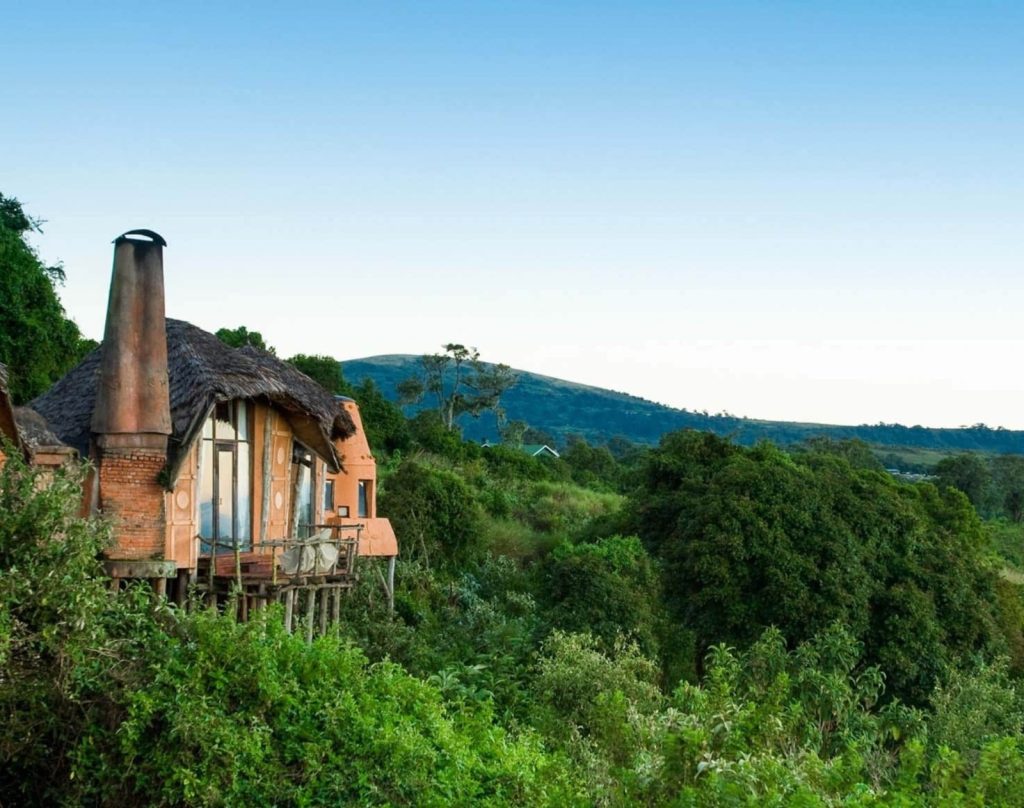
Best Lodges Near Ngorongoro Crater for Every Budget

The Ngorongoro Crater is one of those places that lives up to the hype. It is a collapsed volcano, roughly 600 metres deep, holding a self-contained world of lions, elephants, flamingos and one of the best chances in Africa to see a black rhino. Most travellers get one full day on the crater floor. Where you sleep the night before decides how much of that day you actually get to enjoy.

That is the part most people underestimate. Choosing between Ngorongoro lodges is not really about thread count or the size of the pool. It is about location, timing and how early you can be at the descent road while the light is still soft and the crowds are still on the highway. This guide walks you through where to stay near Ngorongoro Crater for every budget, and, just as importantly, how to pick the option that fits the trip you are actually taking.

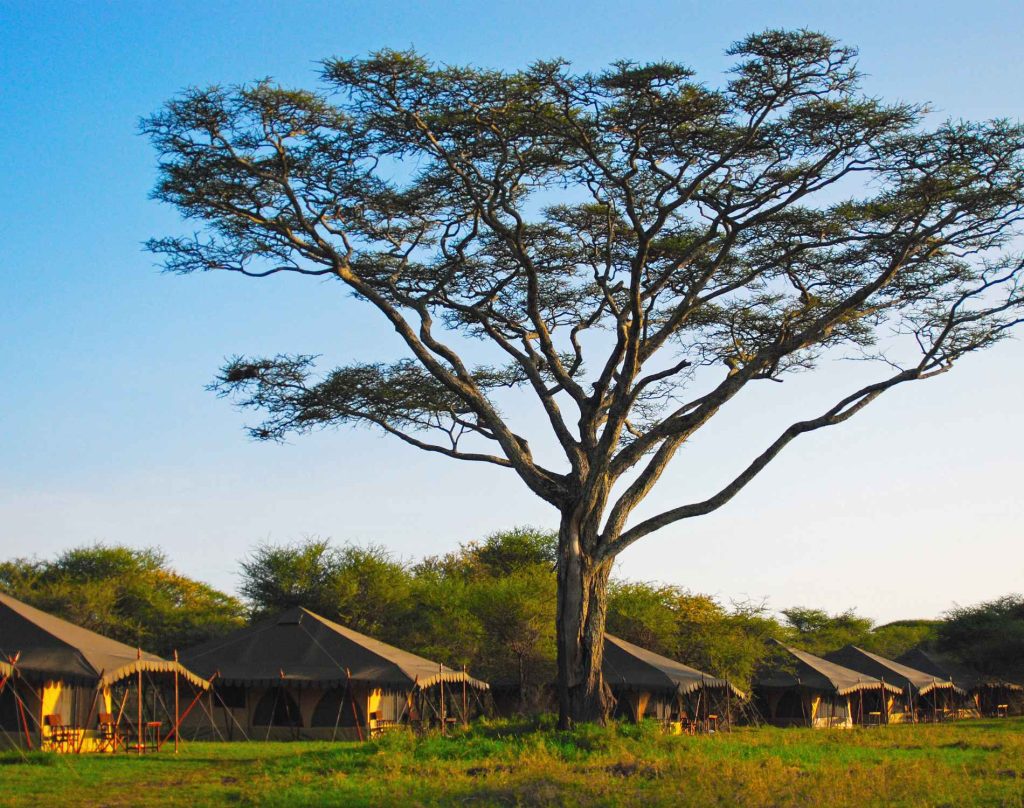
Best Luxury Safari Lodges in Serengeti National Park: A 2026 Guide to Where to Stay

Choosing a lodge in the Serengeti is not a minor detail. It shapes what wildlife you see, how far you drive each morning, and whether your safari feels crowded or private.

The best luxury lodges in the Serengeti do more than offer a comfortable bed. They put you in the right place at the right time of year, close to the animals you travelled thousands of miles to watch.

This guide breaks down where to stay by region and season, which lodges suit which kind of traveller, and the practical details that matter before you book. The goal is simple. Help you spend your budget where it actually improves the trip.

Northern Circuit vs Southern Circuit Safari in Tanzania: Which Should You Choose?

Choosing between Tanzania’s two great safari regions is one of the first real decisions you’ll make when planning a trip, and it shapes almost everything that follows: your route, your budget, the time of year you travel, and the kind of days you’ll spend in the bush.

A Northern Circuit safari in Tanzania and a Southern Circuit safari in Tanzania both deliver world-class wildlife. But they are not interchangeable. They differ in scenery, crowd levels, cost, activities, and the overall feel of the experience. Get the match right, and the trip fits you perfectly. Get it wrong, and you may spend a lot of money on a safari built for a different kind of traveler.

This guide compares the two circuits honestly so you can decide with confidence.

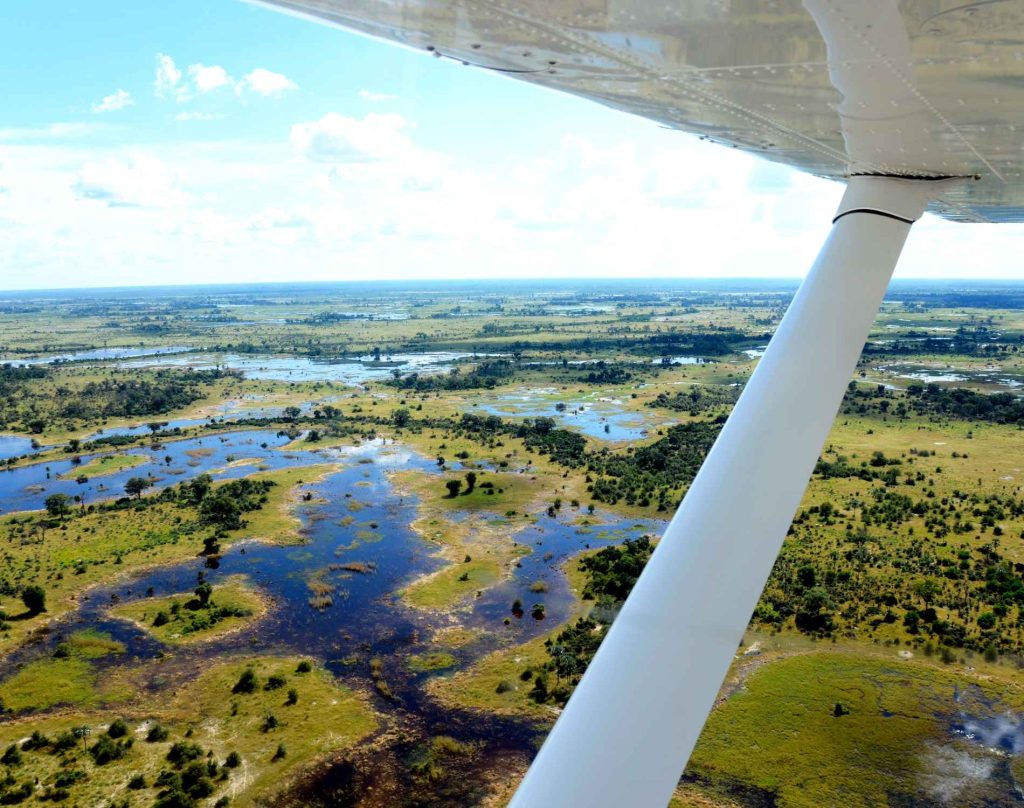
Fly-In Safari vs Road Safari in Tanzania: Which Is Better for Your Trip?

Planning a Tanzania safari usually comes down to one early decision that shapes everything else: how you’ll actually move between the parks. You can drive overland in a 4×4, or you can hop between bush airstrips in a small plane. Both get you to the same wildlife. They get you there very differently.

This guide breaks down a fly-in safari in Tanzania against a classic Tanzania road safari, so you can match the experience to your time, budget, and travel style, before you commit to an itinerary.

Tanzania Safari Costs Explained: Budget vs Mid-Range vs Luxury

The first thing most people discover when planning a trip is that two safaris advertised under the same word can be priced ten times apart. A shared camping trip might run $250 per person a day. A private fly-in safari to a remote luxury camp can pass $1,500. Neither price is a mistake. They simply describe very different journeys through the same landscapes.

This guide is a plain Tanzania safari price comparison across the three tiers travelers actually choose between: budget, mid-range, and luxury. The goal is to help you find the number you should be planning against, understand exactly what your money buys at each level, and avoid the surprises that catch first-time safari-goers off guard.

Scroll to Top