


Fly-In Safari vs Road Safari in Tanzania: Which Is Better for Your Trip?
Planning a Tanzania safari usually comes down to one early decision that shapes everything else: how you’ll actually move between the parks. You can drive overland in a 4×4, or you can hop between bush airstrips in a small plane. Both get you to the same wildlife. They get you there very differently.
This guide breaks down a fly-in safari in Tanzania against a classic Tanzania road safari, so you can match the experience to your time, budget, and travel style, before you commit to an itinerary.
The Short Answer
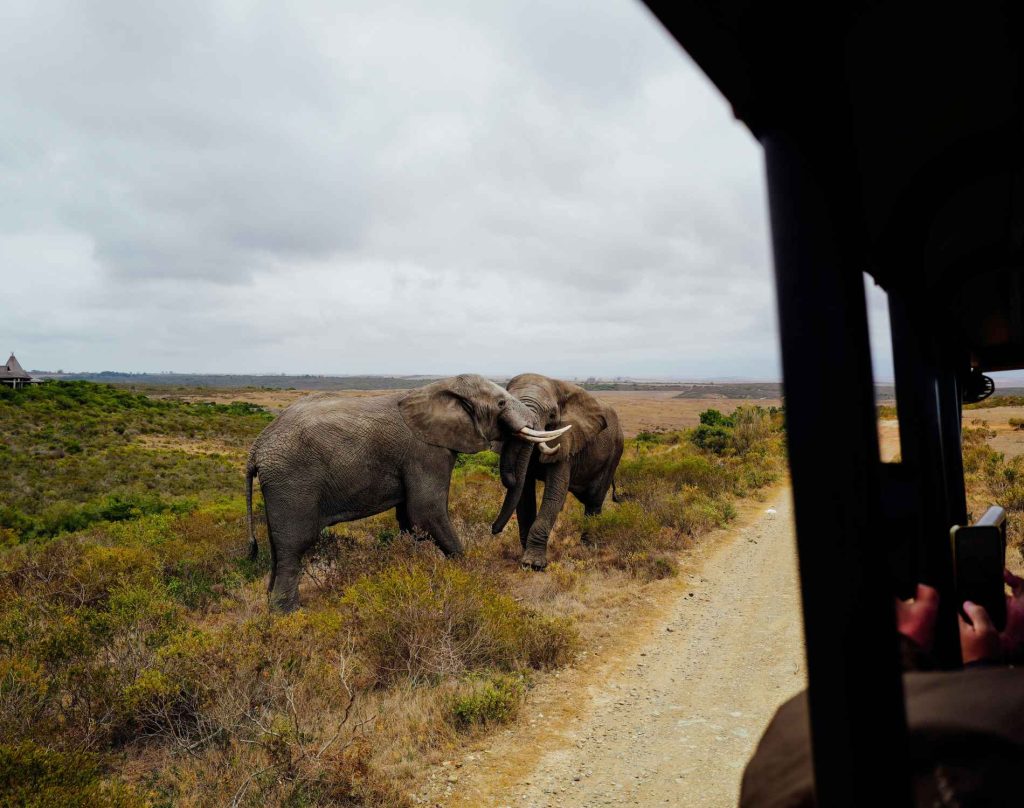
Neither option is “better” in the abstract. The right choice depends on how many days you have, how far apart your parks are, and how you feel about long hours in a vehicle versus short hops in a light aircraft.
As a rough guide:
- Choose a fly-in safari if your time is tight, you’re combining distant parks, or you want to spend more hours watching animals and fewer hours in transit.
- Choose a road safari if you want to see the landscape change as you travel, you’re on a tighter budget, or your itinerary stays within Tanzania’s well-connected northern circuit.
The detail below is where the decision actually gets made.
What Is a Fly-In Safari in Tanzania?
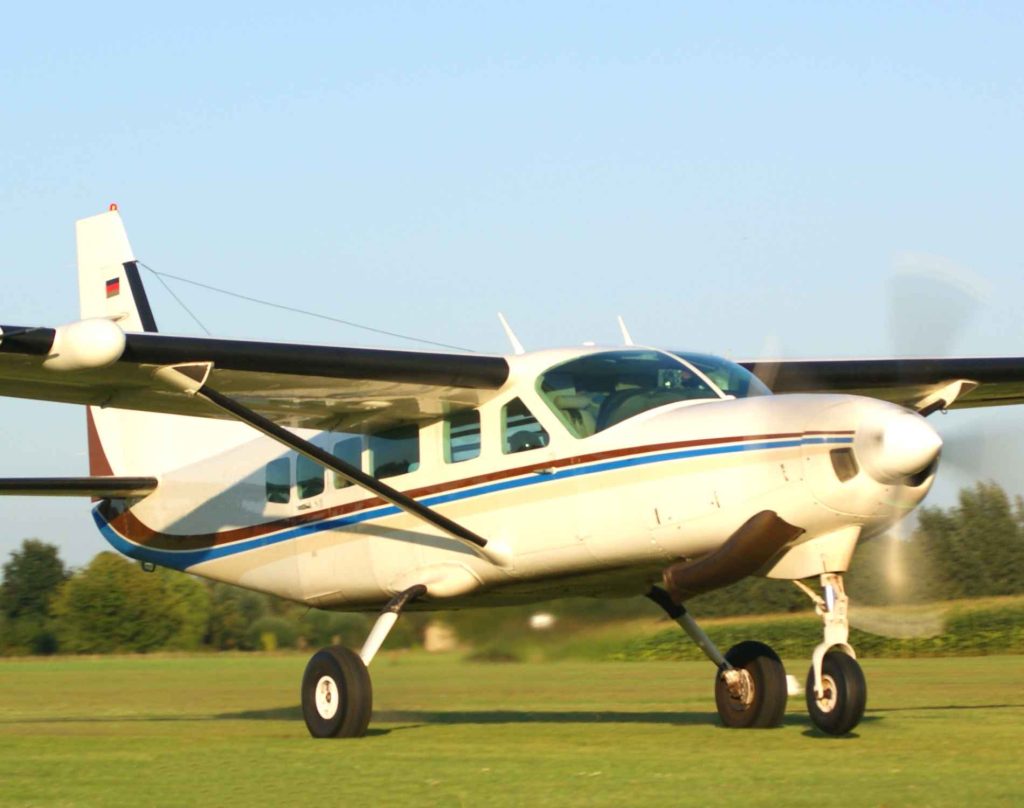
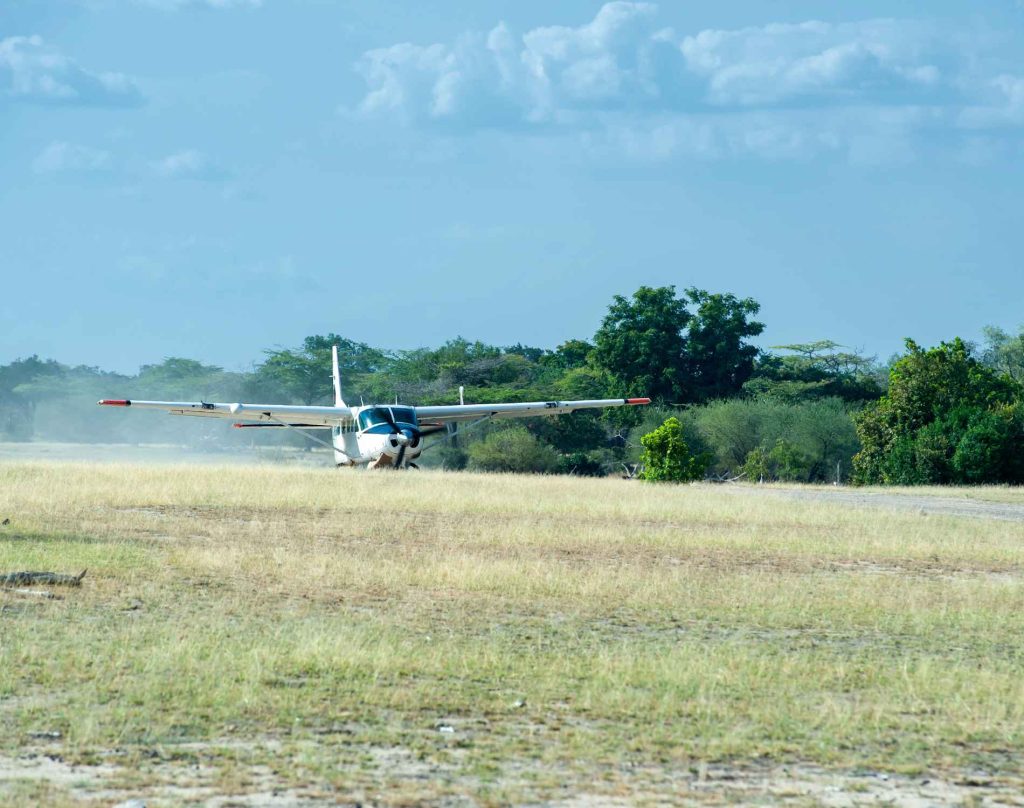
A fly-in safari uses light aircraft, often small Cessna Caravans, to move you between parks. You fly from a hub like Arusha or Kilimanjaro to a bush airstrip near your camp, then a guide collects you for game drives in that area.
You’re effectively skipping the long overland legs. A drive that might take seven or eight hours can become a flight of roughly an hour to ninety minutes, depending on the route.
Where fly-in really shines
Fly-in becomes the obvious choice when your itinerary includes Tanzania’s remote southern and western parks, such as Nyerere (formerly Selous), Ruaha, Katavi, or Mahale. These are far from the northern hubs and difficult to reach efficiently by road. For most travelers, flying is the practical way in.
It also suits short trips. If you have four or five days and want real time in the parks, flying protects your wildlife hours instead of spending them on the road.
What Is a Tanzania Road Safari?
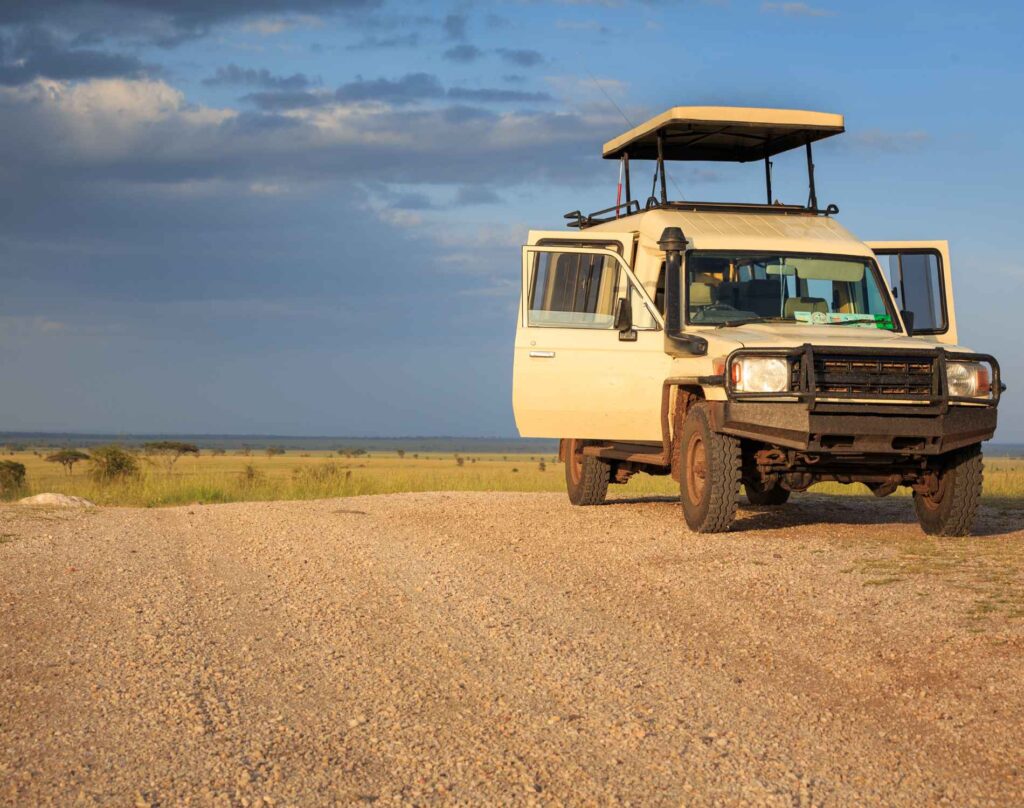
A road safari, sometimes called an overland or drive safari, moves you between parks in a purpose-built 4×4, usually a Toyota Land Cruiser with a pop-up roof for game viewing. A driver-guide stays with you for the trip, which means continuity: the same person reading the bush, spotting wildlife, and answering your questions from start to finish.
This is the traditional way to experience Tanzania’s northern circuit, where Arusha, Tarangire, Lake Manyara, the Serengeti, and the Ngorongoro Crater sit within reasonable driving distance of one another.
Where road safaris really shine
The northern circuit is well-connected, and the drives themselves are part of the experience. You watch the scenery shift from farmland to acacia plains, pass through villages and local markets, and often spot wildlife between parks rather than only inside them.
A road safari also makes the Ngorongoro Crater descent straightforward, since you drive down into the crater floor for game viewing and back up. And because the same vehicle carries you throughout, you can stop on a whim, linger at a sighting, or adjust the day’s pace without coordinating around flight schedules.
Fly-In vs Road Safari: The Real Trade-Offs
Here’s how the two compare across the factors that actually affect your trip.
| Factor | Fly-in safari | Road safari |
|---|---|---|
| Time & pace | Short hops; more hours for game drives | Longer transit; the landscape is part of the trip |
| Cost | Generally higher (aircraft seats + premium camps) | Stronger value, especially on the northern circuit |
| Comfort | Less fatigue; strict ~15 kg soft-bag limit | Rough, dusty roads; fatigue builds over days |
| Scenery | Sweeping aerial views | Ground-level immersion; villages and in-between wildlife |
| Flexibility | Runs on flight schedules | On-demand vehicle; stop, linger, adjust at will |
| Best for | Remote parks, short trips, comfort-seekers | Northern circuit, value, scenery, flexibility |
Time and pace
Flying buys you time. On a longer route, it can turn a half-day drive into a short flight and hand those hours back to you for game drives or rest. If your schedule is compressed, this is often the deciding factor.
Driving costs more transit time, but that time isn’t wasted for everyone. Many travelers enjoy the slow reveal of the landscape and the sense of distance covered. It depends on whether you see the drive as part of the adventure or as time away from it.
Cost
As a general pattern, fly-in safaris tend to cost more than comparable road safaris, because you’re paying for aircraft seats and the camps near airstrips often sit at the premium end. Road safaris usually offer better value for travelers watching their budget, especially across the northern parks where driving is efficient anyway.
Exact pricing depends heavily on season, park fees, camp choice, and group size, so treat any figure as a starting point and confirm a quote against your specific dates and itinerary.
Comfort and fatigue
Tanzania’s park roads can be rough, dusty, and slow. Over many days, that adds up, and some travelers find the cumulative fatigue real, particularly on long northern-circuit loops.
Flying reduces that wear considerably. The flip side: light aircraft have strict luggage limits, often around 15 kg in soft bags, and small planes can feel bumpy in heat or wind. Travelers who are nervous flyers sometimes prefer the road for exactly this reason.
Scenery and immersion
This is where road safaris hold a genuine edge. You see how the country fits together, you pass through inhabited areas, and you get a feel for Tanzania beyond the park gates.
From a plane you get sweeping aerial views, which are their own kind of spectacular, but you trade the ground-level texture for speed.
Flexibility
A private road safari gives you a flexible, on-demand vehicle. You set the rhythm of each day with your guide.
Fly-in itineraries run on flight schedules and shared transfers, which means slightly less spontaneity, though most camps run their own game drives once you arrive, so your time in the parks stays well-structured.
Who Each Option Is Best Suited To
Use this as a quick filter.
A fly-in safari in Tanzania tends to suit travelers who:
- Have limited days and want to maximize wildlife time
- Are visiting remote parks like Ruaha, Katavi, Nyerere, or Mahale
- Prefer comfort and want to avoid long, bumpy drives
- Are combining far-apart regions in one trip
- Are happy to travel light within strict luggage limits
A Tanzania road safari tends to suit travelers who:
- Want strong value, especially across the northern circuit
- Enjoy watching the landscape and culture unfold along the way
- Like having the same guide and vehicle throughout
- Want maximum flexibility and stop-anywhere freedom
- Are uneasy about small aircraft
Many of the best trips aren’t purely one or the other. A common, sensible structure is to drive the close-together northern parks and fly the long or remote legs, which is often where a combined fly-and-drive itinerary earns its keep.
Things to Know Before You Book

A few practical points that travelers often overlook until late in planning.
- Match the transport to the geography. The single biggest driver of this decision is where your parks are. Northern circuit, close together: road works well. Southern or western parks, far apart: flying usually wins.
- Factor in the season. During the wet months, some roads deteriorate and certain remote areas become harder to reach overland, which can tip the balance toward flying. The dry season, roughly June to October, generally offers the most reliable road conditions and strong general game viewing.
- Mind the luggage rules. Light aircraft caps are real and strictly enforced. Pack soft-sided bags and plan around the weight allowance rather than assuming flexibility.
- Build in buffer time. If a flight connects to an international departure, leave a sensible margin. Bush airstrip schedules can shift with weather and demand.
- Confirm what’s included. Park fees, internal flights, transfers, and conservation levies vary by itinerary. Get a clear breakdown so you’re comparing like with like across quotes.
Common Mistakes to Avoid
- Choosing fly-in for a short northern loop where driving is already efficient. You may pay a premium without saving meaningful time.
- Booking a long, multi-park road safari on a tight schedule. The transit hours can eat into the very wildlife time you came for.
- Overpacking for a fly-in trip. Hard cases and excess weight create problems at the airstrip.
- Ignoring the season. A route that’s easy by road in the dry months can be slow or impractical in the rains.
- Comparing prices without comparing inclusions. A cheaper quote isn’t cheaper if it leaves out flights, fees, or transfers.
Frequently Asked Questions

Is a fly-in safari in Tanzania worth the extra cost?
For remote parks or short trips, often yes, because the time and comfort you gain are significant. For a compact northern-circuit route, the value case is weaker, since driving is already efficient there. It comes down to your geography and how you value your days.
Can you combine fly-in and road safari on one trip?
Yes, and many travelers do. Driving the close northern parks and flying the long or remote stretches is a popular way to balance cost, comfort, and time.
Are the small safari planes safe and comfortable?
Light aircraft are a standard, routine part of Tanzania travel. They’re generally comfortable, though small planes can feel bumpy in heat or wind, and luggage limits are strict. Nervous flyers sometimes prefer driving.
Which is better for first-time safari travelers?
There’s no universal answer. First-timers on the northern circuit often enjoy a road safari for the scenery and continuity, while those short on time or visiting remote parks lean toward flying. Your dates, budget, and chosen parks matter more than experience level.
What's the best time of year for either option?
The dry season, around June to October, generally brings reliable conditions and strong game viewing for both. Wet months can affect road access in some areas, which sometimes makes flying the more practical choice.
Making the Decision
A fly-in safari in Tanzania saves time, reduces fatigue, and unlocks remote parks, usually at a higher price. A Tanzania road safari offers stronger value, richer scenery, and more day-to-day flexibility, at the cost of longer hours in transit.
Start with your map and your calendar. Where are your parks, and how many days do you have? Those two answers point you toward the right choice faster than any general rule. And if your itinerary spans both close and distant regions, a thoughtful fly-and-drive combination often delivers the best of each.
When you’re ready to weigh real routes and dates, the team at African Safaris Hub can map your parks, compare the two approaches against your budget, and build an itinerary that fits how you actually want to travel.