


How Many Days Do You Need for a Tanzania Safari? (Honest Guide by Trip Length)
It’s the first question almost everyone asks before booking: how many days for a Tanzania safari is actually enough? Too few and you spend more time in the vehicle than watching wildlife. Too many and you may pay for nights you didn’t need.
The honest answer is that it depends on which parks you visit, how you travel between them, and what you came to see. But “it depends” doesn’t help you plan. So below is a clear, practical breakdown by trip length, plus the factors that should decide your number before you put down a deposit.
The Short Answer: How Many Days for a Tanzania Safari?

For most first-time visitors doing Tanzania’s northern circuit, five to seven days on safari is the sweet spot. That gives you enough time for Tarangire, the Ngorongoro Crater, and two or three nights in the Serengeti without rushing.
Three to four days can work as an add-on. Eight to ten days suits photographers, migration chasers, and anyone wanting a slower pace. Fewer than three days is rarely worth the long-haul flight to get there.
Now let’s look at why, so you can match the number to your trip rather than to someone else’s itinerary.
What Actually Determines Your Ideal Tanzania Safari Length

Four things move the number up or down. Get these right and the day count almost decides itself.
The parks you choose
Tanzania’s parks are spread across large distances. The classic northern circuit clusters several headline parks within reasonable reach of Arusha: Tarangire, Lake Manyara, the Ngorongoro Crater, and the vast Serengeti. The southern and western circuits (Nyerere/Selous, Ruaha) are more remote and usually require flights.
More parks means more days. A focused two-park trip needs far less time than a route that strings four parks together.
Flying vs driving between parks
This is the factor most people underestimate. Driving between northern circuit parks is scenic but slow, and transfer days eat into game-viewing time. The Serengeti alone is roughly the size of a small country, so even moving within it takes hours.
Flying between parks on light aircraft can turn a half-day drive into a 45-minute hop, effectively buying you back a day of wildlife viewing. If your days are limited, flying often delivers more safari per day than a longer self-drive-style itinerary.
The Great Migration and timing
If seeing the Great Migration is the goal, your day count is tied to where the herds are that month. The migration is a year-round loop, not a single event, and reaching the herds in the far north (for river crossings) usually means more nights and more travel than catching them in the central or southern Serengeti.
We’ll break the seasons down further below, because this is where many itineraries quietly go wrong.
Your travel style and pace
A couple comfortable with early starts and long game drives can cover ground quickly. Families with young children, older travelers, or anyone who wants unhurried mornings should add a buffer. A good safari has rhythm, not a packed checklist.
Planning tip: Decide your must-see (the Crater? the migration? big herds of elephant?) before your day count. The priority sets the route. The route sets the days. Doing it the other way around is how people end up over-driving and under-seeing.
Safari Length, Broken Down by Days

Here’s how the most common trip lengths actually play out on the ground.
| Trip length | What it covers | Best for |
|---|---|---|
| 3–4 days | Two parks done well, or Tarangire + Crater + a short Serengeti stint; long drives relative to viewing | Add-on trips, time-pressed and repeat visitors |
| 5–6 days | Tarangire, a full Crater day, two nights in the Serengeti; varied and unrushed | First-timers wanting the classic trip |
| 7–8 days | Deeper Serengeti, time to follow the migration, slower mornings; fly-in itineraries shine | Depth-seekers, photographers, honeymooners |
| 10+ days | Northern Serengeti crossings, north + south circuits, or safari paired with Zanzibar | Migration chasers, return visitors, beach combos |
3 to 4 days: The add-on safari
A short safari works best as an extension to something else, often after climbing Kilimanjaro or before flying to Zanzibar.
In three to four days you can realistically combine Tarangire, the Ngorongoro Crater, and a short stint in the Serengeti, or focus on two parks done well. Expect some long drives relative to viewing time. You’ll get a genuine taste of the wildlife and at least one standout day, but it’s tight.
Who it’s for: Time-pressed travelers, add-on trips, repeat visitors who only want a quick fix.
5 to 6 days: The sweet spot for first-timers
This is the length most first-time visitors should aim for, and the one many seasoned guides recommend.
A typical flow: Tarangire for elephants and baobabs, a night near the Ngorongoro highlands, a full crater day, then two nights in the Serengeti. You see varied landscapes, strong Big Five chances, and you’re not spending every day on transfer roads.
Who it’s for: First-time safari-goers who want the classic Tanzania experience without rushing or overspending.
7 to 8 days: The comfortable classic
Add a couple of nights and the trip changes character. You can go deeper into the Serengeti, follow the migration as it moves, and build in slower mornings.
This length also makes flying-between-parks itineraries shine. Less time in transit, more time in productive wildlife areas, and the flexibility to chase a sighting if conditions are good.
Who it’s for: Travelers who want depth over speed, keen photographers, honeymooners, and anyone treating this as a once-in-a-lifetime trip.
10+ days: For migration chasers and return visitors
Ten days or more opens up the harder-to-reach experiences: positioning yourself for northern Serengeti river crossings in the dry season, combining the northern and southern circuits, or adding a walking or boat safari in a remote park.
It’s also the realistic length if you want to pair a serious safari with beach time on Zanzibar without cutting the wildlife short.
Who it’s for: Migration specialists, photographers, second-time visitors, and travelers combining safari with the coast.
Matching Your Days to the Great Migration
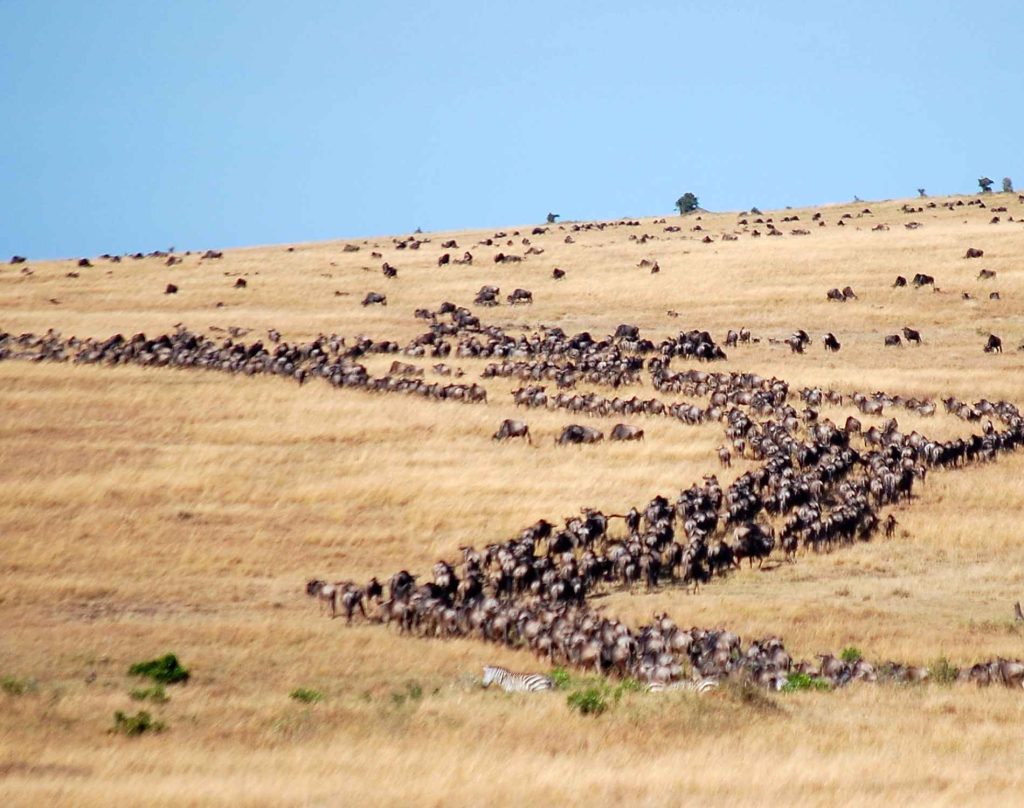
If the migration is your reason for going, plan around the calendar, not just the day count.
- December to March (southern Serengeti / Ndutu): Calving season. Huge concentrations of wildebeest and predators in a relatively compact area, which can mean strong sightings on shorter trips.
- April to May (green season): The long rains bring lush scenery, fewer crowds, and often better value, though some access can be affected by weather.
- June to July (western corridor / Grumeti): The herds move north and west; dramatic, but reaching them can add travel time.
- July to October (northern Serengeti / Mara River): The famous river crossings. The most sought-after spectacle, but the far north demands more nights and usually a fly-in to do it justice.
- November (short rains): A quieter shoulder period with the herds shifting south again.
The takeaway: chasing river crossings in the dry season generally needs a longer, more carefully timed itinerary than catching the herds in the central or southern Serengeti. If your dates are fixed, build the route around where the animals will actually be.
Northern vs Southern Circuit: Which Needs More Time?
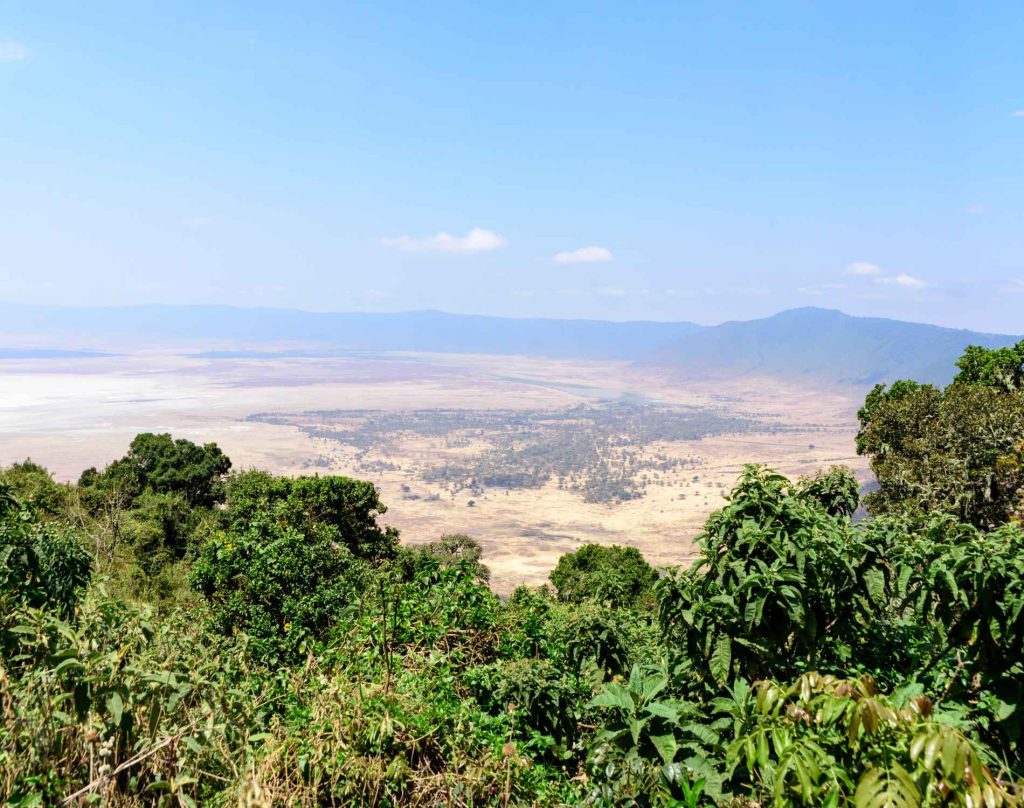
The northern circuit packs its headline parks relatively close together, which is exactly why it suits shorter trips and first-timers. Five to seven days covers it comfortably.
The southern and western circuits are wilder and quieter, with a different style of safari: boat trips, walking safaris, and far fewer vehicles at sightings. The trade-off is distance. These parks usually require flights and a more generous schedule, which is why they tend to appeal to repeat visitors with eight-plus days and a taste for remoteness over convenience.
If this is your first Tanzania safari and time is limited, the northern circuit almost always makes more sense.
Common Mistakes That Waste Safari Days

A few avoidable errors quietly shrink the trip you paid for.
- Cramming in too many parks. More parks often means more driving, not more wildlife. A tighter route, done slowly, usually beats a sprawling one.
- Underestimating drive times. Distances on a map look modest; road conditions and park sizes tell a different story. Always ask for realistic transfer times.
- Booking too few nights in the Serengeti. It’s the heart of the trip and big enough to reward extra time. One night here rarely does it justice.
- Ignoring migration timing. Beautiful itineraries fall flat when the herds are 200 kilometres from where you’re staying.
- Skipping the fly-in option when days are short. On a tight schedule, the flight cost often pays for itself in recovered viewing time.
Things to Know Before You Book
A few practical points that affect both your day count and your experience:
- Fly vs drive: Flying between parks costs more but saves time and reduces long transfer days. On shorter trips it’s often the smarter spend.
- Park fees and costs: Tanzania’s park entry and conservation fees vary by park and can change, and they’re usually a meaningful part of the total. Ask for an itemised quote so you know what’s included.
- Vehicle and group size: A private vehicle gives you flexibility over timing and sightings; shared vehicles cost less but you compromise on pace. For photographers and families, private is usually worth it.
- Light-aircraft luggage: Internal flights typically limit you to soft duffel bags and a modest weight allowance, so pack accordingly and confirm the exact limit when booking.
- Accommodation tiers: From mobile camps to luxury lodges, your choice affects both budget and how close you sleep to the action, which in turn affects how much driving each day requires.
Booking tip: The strongest itineraries are built backwards from one or two priorities and a realistic pace, not from the longest list of parks that fits the dates. If a quote looks impressive but light on Serengeti nights, ask why.
How Many Days for a Tanzania Safari? The Final Word

So, how many days for a Tanzania safari? For most first-time travelers, five to seven days on the northern circuit is the ideal Tanzania safari length – enough to see varied landscapes, strong wildlife, and the Serengeti without living in the vehicle. Shorter works as an add-on; longer rewards migration chasers, photographers, and anyone combining safari with the coast.
The right number isn’t a fixed rule. It’s the result of three decisions: what you most want to see, how you travel between parks, and the pace you enjoy. Get those clear and the day count follows naturally.
If you’d like, share your travel dates and your one must-see, and African Safaris Hub will map a route and the right number of days around it – no over-driving, no padded nights. That’s the fastest way to turn “how long should we go for?” into a trip you’ll actually want to book.
Frequently Asked Questions
Is 3 days enough for a Tanzania safari?
Three days can work as an add-on to Kilimanjaro or Zanzibar, usually covering two parks or a quick Crater-and-Serengeti combination. It gives you a real taste, but expect long drives relative to viewing time. For a first safari, five days or more is more satisfying.
What's the best safari length for first-timers?
Five to seven days on the northern circuit. It balances cost, variety, and pace, and covers Tarangire, the Ngorongoro Crater, and a couple of nights in the Serengeti without rushing.
How many days do I need to see the migration river crossings?
The dry-season river crossings happen in the far northern Serengeti, which usually means more nights and often a fly-in. Plan for a longer, well-timed itinerary rather than a short trip, and confirm where the herds are expected for your dates.
Can I combine a Tanzania safari with Zanzibar or Kilimanjaro?
Yes, and many travelers do. Add the days rather than borrowing them: a short safari plus a beach stay, or a climb followed by a few safari days. Just keep enough nights for the wildlife so the safari doesn’t get squeezed.
Do the northern or southern parks need more time?
The southern and western circuits are more remote, usually need flights, and reward a more generous schedule, so they suit repeat visitors with eight-plus days. The northern circuit is more compact and better for shorter, first-time trips.