


Tanzania Safari FAQs: Everything You Need to Know Before Booking
Booking a safari in Tanzania is a big decision. It is often a once-in-a-lifetime trip, it involves real money, and most travelers are planning it from thousands of kilometres away without ever having set foot in East Africa. That gap between excitement and uncertainty is exactly where the questions pile up.
This guide answers the most common Tanzania safari FAQs in plain language, so you can move from “thinking about it” to booking with confidence. No jargon, no pressure, just the practical detail you actually need before you commit.
When Is the Best Time to Go on a Tanzania Safari?
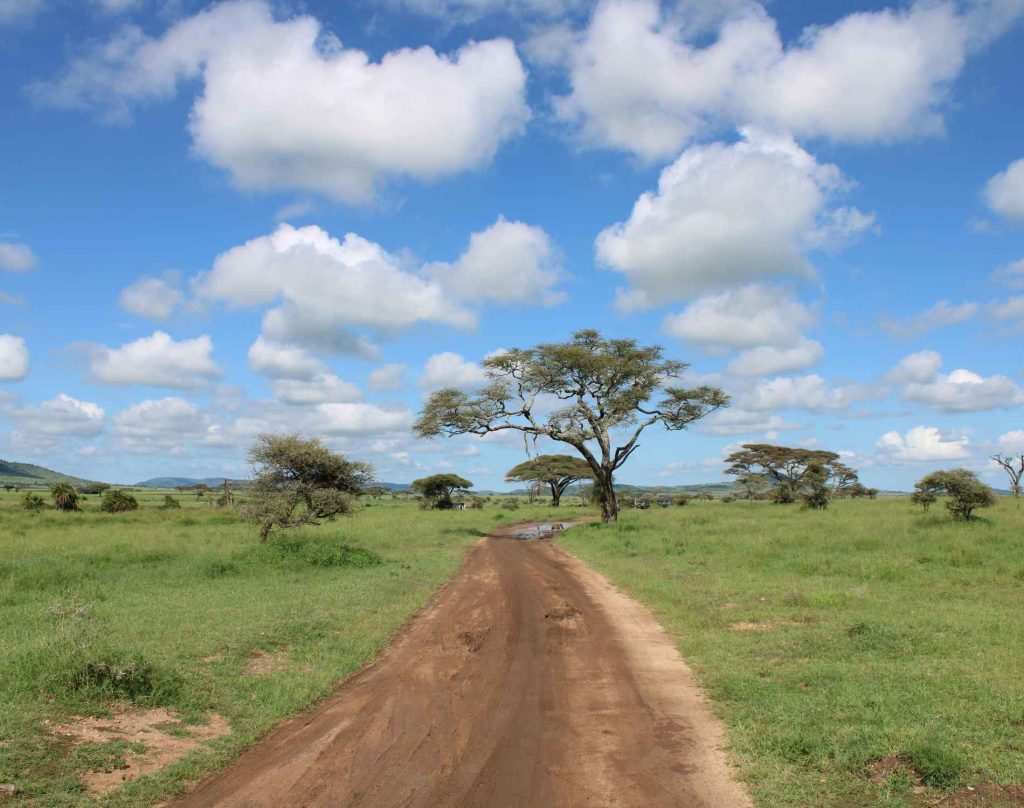
There is no single “best” month. The right time depends on what you want to see and how much you are willing to share the view with other vehicles.
The dry season runs roughly June to October, and it is the most reliable window for general game viewing. Vegetation thins out, animals gather around shrinking water sources, and the lack of mud makes the parks easier to drive. It is also the busiest and most expensive stretch of the year.
If your priority is the Great Migration, timing matters more than ever, because the herds move in a yearly loop:
- January to February is calving season in the southern Serengeti and Ndutu plains. Hundreds of thousands of wildebeest are born within a few weeks, which draws intense predator activity. It is dramatic, reliable, and usually less crowded than the famous river crossings.
- July to October is when the herds reach the northern Serengeti and the Mara River. This is when the famous crossings happen, with the heaviest action typically around August and September.
One honest caveat worth knowing before you book a “river crossing” trip: crossings are not scheduled. The herds may sit on the bank for days. Calving season, by contrast, is far more predictable because the animals are simply there. If you want a near-guarantee of dense wildlife, the south in February is a strong, underrated choice.
The “green season” (March to May) brings the long rains, lower prices, fewer travelers, and lush scenery, but some roads and remote camps can be harder to access. It suits budget-conscious travelers and photographers who want moody skies over crowd-free plains.
How Much Does a Tanzania Safari Cost, and What Is Included?

Safari pricing varies widely, and that is genuinely confusing for first-time buyers. Cost is driven by a few clear levers:
- Accommodation level – basic camping, mid-range lodges, or luxury tented camps
- Season – peak dry-season and migration dates cost more
- Group size – private vehicles cost more per person than shared departures
- Park fees – Tanzania’s national parks and the Ngorongoro Conservation Area charge daily entry and conservation fees, which are a fixed, non-negotiable part of any quote
- Internal flights – fly-in safaris save long drive days but add cost
Because park fees and exchange rates shift, treat any single price you see online as a starting point rather than a fixed rule. The more useful question to ask an operator is not just “how much,” but “what exactly is included?” A low quote that excludes park fees, internal transfers, or drinking water is not actually cheaper – it just defers the cost.
A good operator will give you a line-item breakdown. If a quote is vague about inclusions, that is a signal to slow down and ask.
Which Parks Should Be on Your Itinerary?
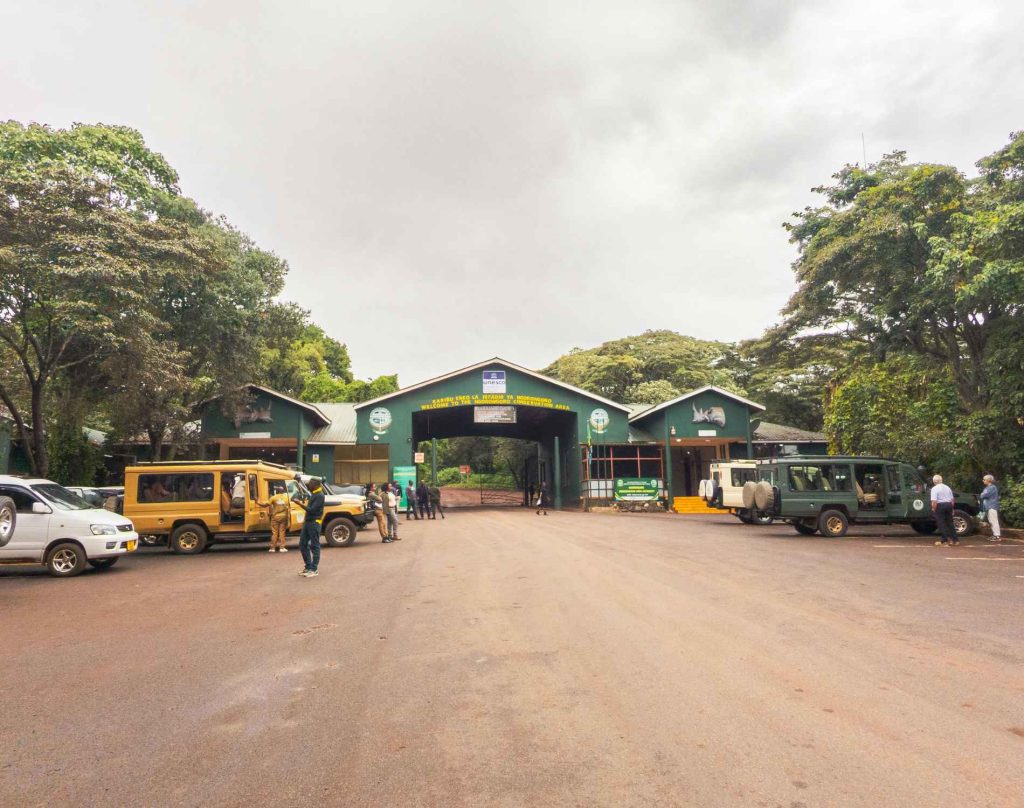
Most first-time visitors focus on the Northern Circuit, which packs the headline destinations into a manageable route:
- Serengeti National Park – endless plains, big cats, and the migration
- Ngorongoro Crater – a collapsed volcanic caldera with dense, year-round wildlife and a strong chance of seeing rhino
- Tarangire National Park – famous for large elephant herds and baobab landscapes, especially good in the dry season
- Lake Manyara – compact and scenic, often used as a gentle first or last stop
The Southern Circuit (Nyerere National Park, formerly part of Selous, and Ruaha) is wilder, quieter, and better for repeat visitors or anyone who wants fewer vehicles around a sighting. It usually involves flying rather than driving between parks.
If this is your first safari and your time is limited, the Northern Circuit delivers the most variety in the fewest days. If you have been before, or you value solitude over a checklist, the south rewards you.
How Many Days Do You Need for a Tanzania Safari?

A realistic minimum is three to four days for a focused Northern Circuit trip, though that can feel rushed. Five to seven days is the sweet spot for most travelers, giving you time across multiple parks without spending every daylight hour in a vehicle.
If you are chasing the migration across regions, build in six to eight days, because the herds cover enormous distances and you may need to position yourself in more than one area.
A common planning mistake is cramming too many parks into too few days. Long transfer drives eat into actual game-viewing time. Fewer parks, explored properly, almost always beats a frantic checklist.
Common Tanzania Safari Questions Travelers Ask Before Booking

Beyond timing and itineraries, a predictable set of practical Tanzania safari questions comes up again and again. Here are clear answers to the ones that cause the most hesitation.
Do I need a visa?
Most visitors do. For many nationalities, a standard tourist visa is around USD 50 for single entry, while US passport holders are generally required to apply for a multiple-entry visa at around USD 100. Several nationalities, including Indian passport holders and US citizens, are expected to apply online in advance rather than on arrival, and processing can take several working days. Apply early, and make sure your passport is valid for at least six months beyond your travel date. Always confirm current requirements and fees on the official Tanzania immigration portal, as rules and prices can change.
Are vaccinations or malaria precautions required?
A yellow fever certificate is typically required only if you are arriving from, or transiting through, a country where yellow fever is a risk. Most safari regions are in a malaria zone, so antimalarial medication is commonly recommended. Because medical guidance depends on your health history and route, speak to a travel clinic or doctor well before departure rather than relying on a blog. This is one area where personalized advice matters.
Is Tanzania safe for tourists?
Safari tourism in Tanzania is well established, and travelers are accompanied by experienced guides throughout. As with any trip, use common sense with valuables and follow your guide’s instructions around wildlife. The animals are wild, and the rules exist for a reason. Choosing a reputable, licensed operator is the single biggest factor in a safe, smooth trip.
Can I go on safari with children or as a solo traveler?
Yes to both. Many lodges and operators offer family-friendly options, though some camps set minimum age limits, so confirm before booking. Solo travelers can join shared group departures to lower costs, or book privately for flexibility. Be clear about your preference up front so your operator can match you to the right vehicle and pace.
What should I pack?
Think practical, not fashionable. Neutral colours (khaki, olive, brown), layers for chilly mornings and hot afternoons, a hat, sunscreen, sunglasses, insect repellent, and binoculars. Mornings on the plains can be genuinely cold, which surprises a lot of first-timers. If you visit during the rains, add a waterproof layer.
Will I have phone signal and Wi-Fi?
Coverage exists near towns and many lodges, but it is patchy in remote areas, and that is part of the appeal. Plan to be partly offline. If you need to stay reachable, ask your operator which camps offer reliable connectivity before you book.
Common Mistakes to Avoid When Booking

A few avoidable errors cause the most disappointment:
- Choosing on price alone. The cheapest quote often hides excluded fees or cuts corners on guiding, which is the part that makes or breaks a safari.
- Over-packing the itinerary. Too many parks in too few days means more driving and less wildlife.
- Booking the wrong season for your goal. Showing up for “the migration” in the wrong region at the wrong month leads to genuine letdown.
- Leaving it too late. Prime lodges and migration-season camps can fill up many months ahead, sometimes more than a year for peak dates.
- Ignoring the guide. A skilled, knowledgeable guide finds wildlife that an average one drives straight past. Ask who will actually be in your vehicle.
What to Look For in a Safari Operator
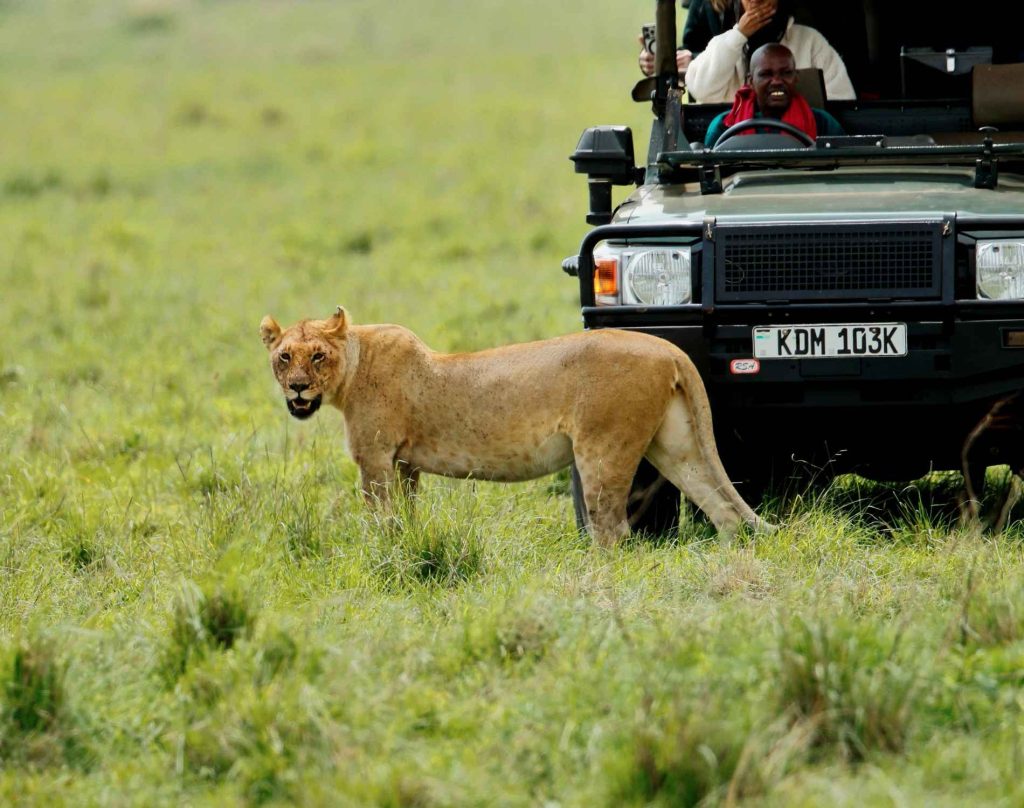
The quality of your experience rests heavily on who you book with. Worthwhile things to check:
- Licensing and local presence – operators based in Tanzania know current park conditions and herd movements in real time
- Transparent quotes – clear inclusions and exclusions, with park fees stated plainly
- Honest seasonal advice – a good operator will tell you when not to come for a specific goal, rather than selling you any date
- Guide quality – experienced, certified guides make a measurable difference to what you see
- Responsiveness – how thoroughly they answer your questions before you pay is a fair preview of the trip itself
A trustworthy operator informs you first and sells second. If the answers you get are specific, patient, and occasionally willing to talk you out of a bad choice, that is a good sign.
Final Thoughts: Book Informed, Travel Confident
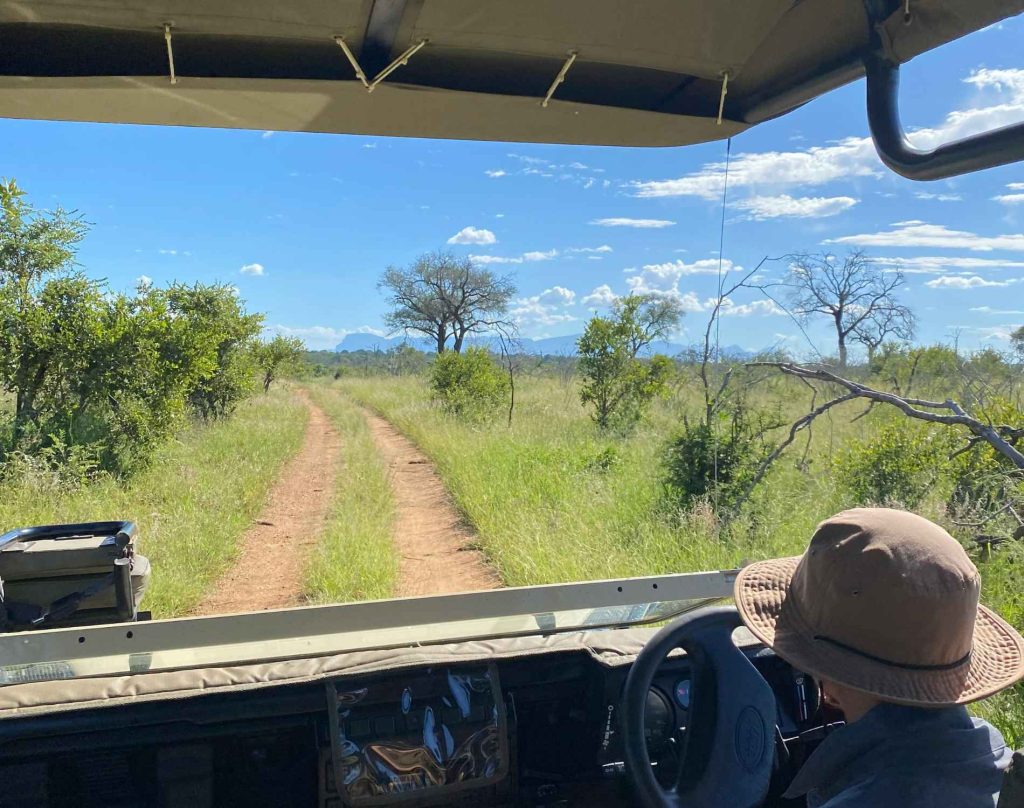
A Tanzania safari rewards the people who plan it properly. The core decisions come down to a few clear questions: when to go, which parks fit your goals, how many days you realistically need, and who you trust to put it together. These Tanzania safari FAQs cover the essentials most travelers worry about, and answering them honestly removes nearly all the guesswork.
The best next step is simple: decide what matters most to you – the migration, fewer crowds, a family-friendly pace, or value – and bring that to a knowledgeable operator who can shape an itinerary around it. Ask direct questions, expect clear answers, and book the trip with confidence rather than crossed fingers.
If you still have specific questions about your dates, budget, or route, reach out to African Safaris Hub and get answers tailored to the trip you actually want to take.
Frequently Asked Questions
What is the best month for a first-time Tanzania safari?
For reliable general game viewing, aim for the dry season, June to October. If you want the calving spectacle with fewer crowds, January to February in the southern Serengeti is an excellent choice.
How far in advance should I book?
For peak season and migration dates, book several months ahead – sometimes close to a year for the most sought-after camps. Green-season trips allow more flexibility and shorter lead times.
Is a Tanzania safari worth the cost?
For most travelers, yes. The density and variety of wildlife, the landscapes, and the guiding experience are hard to match elsewhere. Value comes from matching the trip to your goals, not from chasing the lowest price.
Can I combine a safari with Zanzibar?
Yes, and many travelers do. A single Tanzania entry visa covers both the mainland and Zanzibar, making a safari-and-beach combination a popular way to end the trip.
Do I need travel insurance?
It is strongly advised. Comprehensive travel insurance that covers medical care and trip disruption is a sensible safeguard for a remote, high-value trip like this.