


Tanzania Safari Costs Explained: Budget vs Mid-Range vs Luxury
The first thing most people discover when planning a trip is that two safaris advertised under the same word can be priced ten times apart. A shared camping trip might run $250 per person a day. A private fly-in safari to a remote luxury camp can pass $1,500. Neither price is a mistake. They simply describe very different journeys through the same landscapes.
This guide is a plain Tanzania safari price comparison across the three tiers travelers actually choose between: budget, mid-range, and luxury. The goal is to help you find the number you should be planning against, understand exactly what your money buys at each level, and avoid the surprises that catch first-time safari-goers off guard.
How Tanzania Safaris Are Priced
Almost every safari is quoted as a per-person, per-day rate, and that rate is usually all-inclusive of the on-the-ground essentials: accommodation, meals, a safari vehicle with a driver-guide, and national park entry fees.
What it normally does not include: international flights, your visa, travel insurance, tips, and premium drinks. Keep those separate in your head, because they add up to a real number we’ll cover later.
Your total trip cost comes down to two things multiplied together: the daily rate (set by your travel style) and the number of days (set by your itinerary). A useful starting point is a five- to seven-day northern circuit safari, then adjust the length to fit your budget.
Budget Tanzania Safari: What You Get and What You Pay
A budget Tanzania safari is the entry-level way to experience the parks. The wildlife and the game drives are the same as on any other trip. What changes is where you sleep and how much privacy you have.
Typical cost: roughly $250 to $400 per person per day for a private budget trip. Shared group departures, where you ride and camp with other travelers, can start lower, sometimes around $200 a day, which makes them attractive for solo travelers willing to trade flexibility for savings.
What to expect:
- Camping in public campsites, or simple lodges usually located just outside the park gates
- Shared or basic 4×4 vehicles on group departures; private vehicles on private budget trips
- Straightforward, filling meals rather than fine dining
- The same parks, the same animals, the same guides’ eyes on the bush
Who it suits: adventurous travelers and younger trip-takers who care far more about being in the Serengeti at dawn than about the thread count on the sheets.
One honest caution: at the very bottom of the budget range, standards drop sharply, and corners get cut on food, vehicles, and guide quality. A slightly higher budget trip from a well-reviewed operator is almost always money better spent than the rock-bottom quote.
Mid-Range Tanzania Safari: The Popular Middle Ground

The mid-range tier is where most first-time visitors land, and for good reason. It strikes the balance between real comfort and a sensible price, without the premium of a top-tier camp.
Typical cost: roughly $450 to $800 per person per day, all-inclusive.
What to expect:
- Comfortable lodges or tented camps, often inside or right beside the parks
- En-suite bathrooms, hot showers, and proper beds, a long way from the bucket showers that defined this tier a decade ago
- A private 4×4 and guide on most itineraries, meaning your day isn’t run on a fixed group schedule
- Full-board meals with more variety and quality
Who it suits: couples, families, and first-time safari-goers who want to be comfortable at the end of a long, dusty, wonderful day, without paying luxury rates for a view of the same elephants.
The quality of mid-range camps has improved noticeably over the past ten years. New properties opening across the northern and southern circuits mean today’s mid-range stay often feels close to what luxury delivered not long ago.
Luxury Tanzania Safari Cost: What the Premium Buys
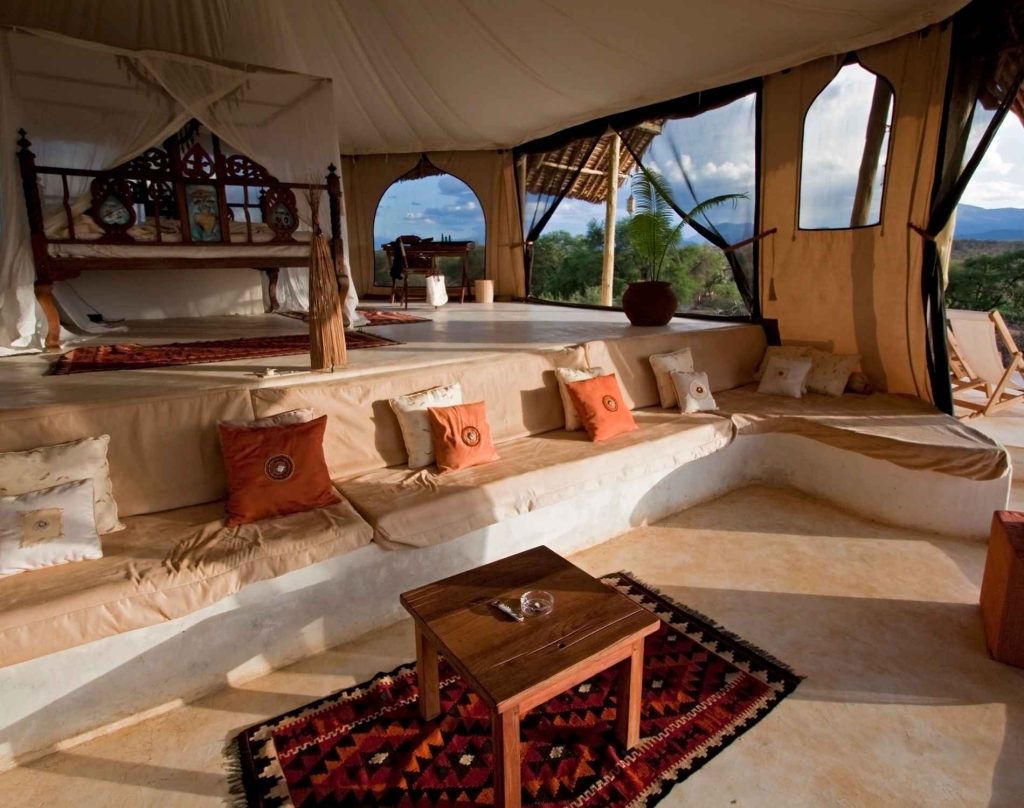
A luxury Tanzania safari cost reflects exclusivity, location, and service rather than better wildlife. You are still watching the same migration cross the same plains. What you’re paying for is the experience around it.
Typical cost: roughly $800 to $1,500 per person per day, with ultra-luxury and exclusive fly-in camps climbing well past $2,000 a night at the very top.
What the premium buys:
- Standout lodges and tented camps in prime, often private, locations
- Fly-in transfers between parks instead of long drives
- Multi-course dining, premium drinks, bush breakfasts, and sundowner setups frequently included
- Smaller guest numbers, private guides, and a level of service designed to feel effortless
Who it suits: honeymooners, special-occasion travelers, and anyone for whom comfort, privacy, and seamless logistics are part of the point, not an extravagance.
It’s worth being clear-eyed here. The jump from mid-range to luxury is a comfort and exclusivity upgrade, not a wildlife upgrade. If your priority is purely seeing animals, mid-range delivers nearly the same encounters. If the feel of the trip matters as much as the sightings, luxury earns its price.
A Side-by-Side Price Comparison
For a rough sense of a seven-day northern circuit safari covering Serengeti, Ngorongoro, and Tarangire, per person:
| Tier | Per day | 7-day estimate |
|---|---|---|
| Budget | $250–$400 | $1,800–$2,800 |
| Mid-range | $450–$800 | $2,800–$5,600 |
| Luxury | $800–$1,500+ | $5,600–$10,500+ |
These are guideline figures for trips booked through a local operator and cover accommodation, meals, park fees, vehicle, and guide. International flights and personal costs sit on top. Large international agencies often add a significant markup over these rates, so the same itinerary can look very different depending on who you book through.
Park Fees: The Cost You Can't Negotiate

Here’s the part many planners miss. A big chunk of any Tanzania safari is fixed government park fees, and they’re the same whether you camp or stay in a five-star lodge.
As a rough 2026 guide, per person per day for non-residents:
- Serengeti: in the region of $70–$83
- Ngorongoro Conservation Area: around $70, plus a separate $295 per-vehicle crater service fee each time you descend into the crater
- Tarangire and Lake Manyara: roughly $47–$60
A few things worth knowing before you compare quotes:
- These fees carry 18% VAT, and Tanzania’s park authorities review them each July, so exact figures shift year to year. Treat the numbers above as a planning guide, not a locked price.
- Park fees make up a larger share of a budget trip (often 20–40% of the total) than a luxury one, simply because the rest of a budget trip costs less.
- The Ngorongoro crater fee is charged per vehicle, so on a group safari it splits across everyone. This is one reason group departures cost noticeably less at Ngorongoro than a private trip for two.
When an operator advertises an unusually low headline rate, always check whether park fees are included or added later. A low quote with fees stacked on top can end up costing more than a transparent all-inclusive one.
Costs Beyond the Package
Budget for these separately, because they rarely appear in a daily rate:
- Visa: around $50 for most nationalities on arrival; US citizens typically pay $100 for a multiple-entry visa
- International flights: highly variable by season and origin
- Tips: commonly $10–$20 per day for your guide, plus something for camp staff
- Travel insurance: essential, and modest relative to the trip
- Optional extras: a Serengeti hot-air balloon flight runs roughly $550–$600 per person; a Zanzibar beach extension can add anywhere from a few hundred to a few thousand
A sensible rule of thumb is to set aside an extra $1,000–$2,500 per person on top of the safari package to cover flights, visa, tips, insurance, and at least one optional experience.
When You Travel Changes What You Pay
Season is one of the few levers that meaningfully moves your cost without changing your tier.
- Peak season (June–October): the dry months and the classic migration river-crossing window. Highest demand, highest prices, busiest parks.
- Shoulder season (January–February, November): a reliable middle ground with good weather, lower rates, and easier availability.
- Green season (March–May): the lowest rates of the year, often 30–50% below peak for the same camps. Expect some rain and longer grass, but lush landscapes, excellent birdlife, and far fewer vehicles at every sighting.
The savings are most dramatic at the luxury level, where premium lodges discount heavily off-peak. Budget lodges already run close to cost, so they show less seasonal movement.
Common Questions Before You Book
Is a Tanzania safari worth the cost? For most travelers, the value isn’t in the per-day rate but in what it grants access to: some of the last intact wild ecosystems on earth, with expert guiding. The fees also fund the anti-poaching and conservation work that keeps these parks protected.
Why is Tanzania more expensive than some neighboring countries? Largely the park fees. Tanzania’s flagship parks command higher conservation charges, which lifts the overall price. In return, the parks tend to be vast and less crowded, a trade many travelers happily make.
Does a higher price mean better wildlife? No. The animals don’t know what you paid. Price buys comfort, location, and service, not better sightings. A well-run mid-range trip and a luxury trip can deliver near-identical game viewing.
How can I bring the cost down without ruining the experience? Travel in green or shoulder season, join a small group departure to split vehicle and crater fees, weight your itinerary toward lower-fee parks, and book with a reputable operator rather than chasing the cheapest possible quote.
Choosing the Right Tier for You
The honest way to read this comparison isn’t “which tier is best” but “which tier matches what you actually want.”
- Choose budget if being in the parks matters more than comfort, and you’re happy with simple accommodation to keep the trip affordable.
- Choose mid-range if you want genuine comfort, a private vehicle, and strong value – the option most first-timers are glad they picked.
- Choose luxury if the atmosphere, privacy, and seamless service are as important to you as the wildlife itself.
A clear budget and a clear sense of your priorities are worth more than any price chart, because they tell a good operator exactly how to build a trip that fits you.
If you’d like a realistic, itemized quote for your dates and travel style, share your preferred season, group size, and the comfort level you’re aiming for. With those three details, African Safaris Hub can match a trip to your budget without the guesswork – and without the inflated markups that make safari pricing so confusing in the first place.
Frequently Asked Questions
What is the average cost of a Tanzania safari per day?
Most travelers booking a private mid-range trip pay roughly $450–$800 per person per day, all-inclusive of accommodation, meals, park fees, vehicle, and guide. Budget trips start around $250, and luxury runs from about $800 to well over $1,500.
How much does a 7-day Tanzania safari cost?
As a guide, around $1,800–$2,800 per person for budget, $2,800–$5,600 for mid-range, and $5,600–$10,500+ for luxury, excluding international flights and personal costs.
Are park fees included in safari prices?
Usually yes, when booking an all-inclusive package through an operator. Always confirm, since some low headline rates add park fees separately.
Is the wildlife better on a luxury safari?
No. Every tier visits the same parks and sees the same animals. Higher prices buy comfort, location, and service, not better sightings.
When is the cheapest time to go on safari in Tanzania?
The green season, roughly March to May, offers the lowest rates of the year, often 30–50% below peak, in exchange for some rain and lush, quieter parks.