


Northern Circuit vs Southern Circuit Safari in Tanzania: Which Should You Choose?
Choosing between Tanzania’s two great safari regions is one of the first real decisions you’ll make when planning a trip, and it shapes almost everything that follows: your route, your budget, the time of year you travel, and the kind of days you’ll spend in the bush.
A Northern Circuit safari in Tanzania and a Southern Circuit safari in Tanzania both deliver world-class wildlife. But they are not interchangeable. They differ in scenery, crowd levels, cost, activities, and the overall feel of the experience. Get the match right, and the trip fits you perfectly. Get it wrong, and you may spend a lot of money on a safari built for a different kind of traveler.
This guide compares the two circuits honestly so you can decide with confidence.
The Two Faces of a Tanzania Safari
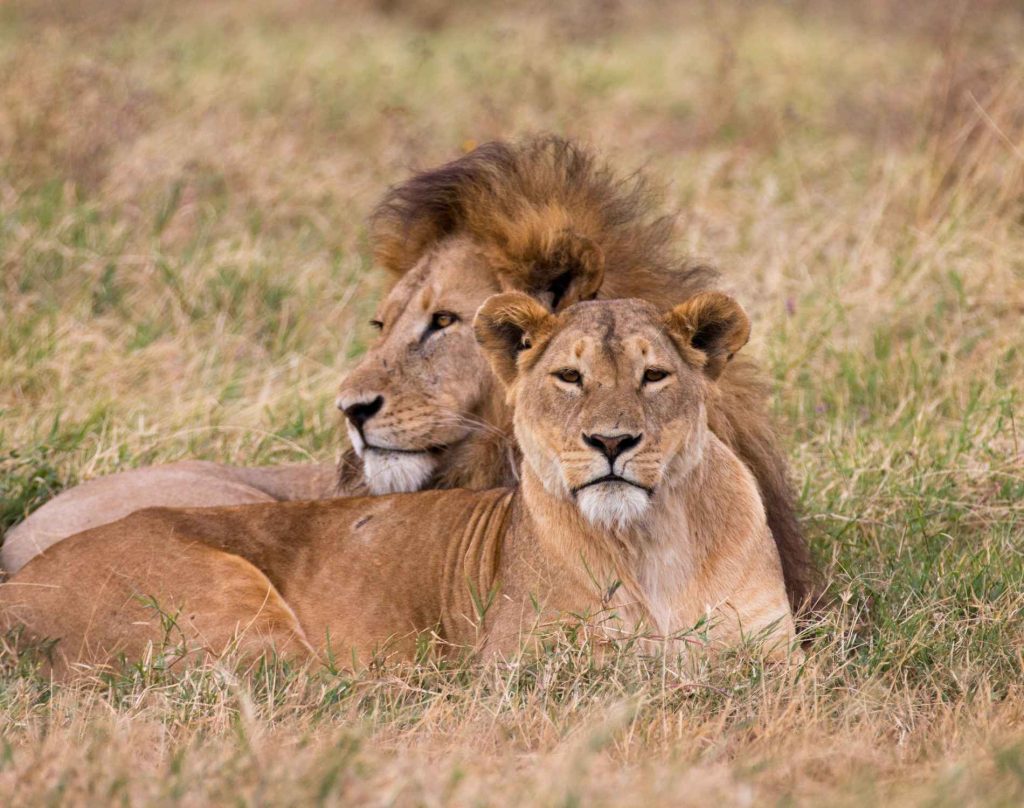
Tanzania’s safari parks are grouped loosely into two regions.
The Northern Circuit sits in the country’s northeast, reached from Arusha and Kilimanjaro International Airport. It includes the Serengeti, Ngorongoro Crater, Tarangire, and Lake Manyara. This is the postcard Tanzania most people picture, and it’s home to the Great Migration.
The Southern Circuit lies in the country’s south and center, reached mainly from Dar es Salaam. Its anchors are Nyerere National Park (created from the northern section of the former Selous Game Reserve) and Ruaha National Park, with Mikumi and the Udzungwa Mountains nearby.
Both are excellent. They simply suit different priorities.
The Northern Circuit Safari Tanzania at a Glance
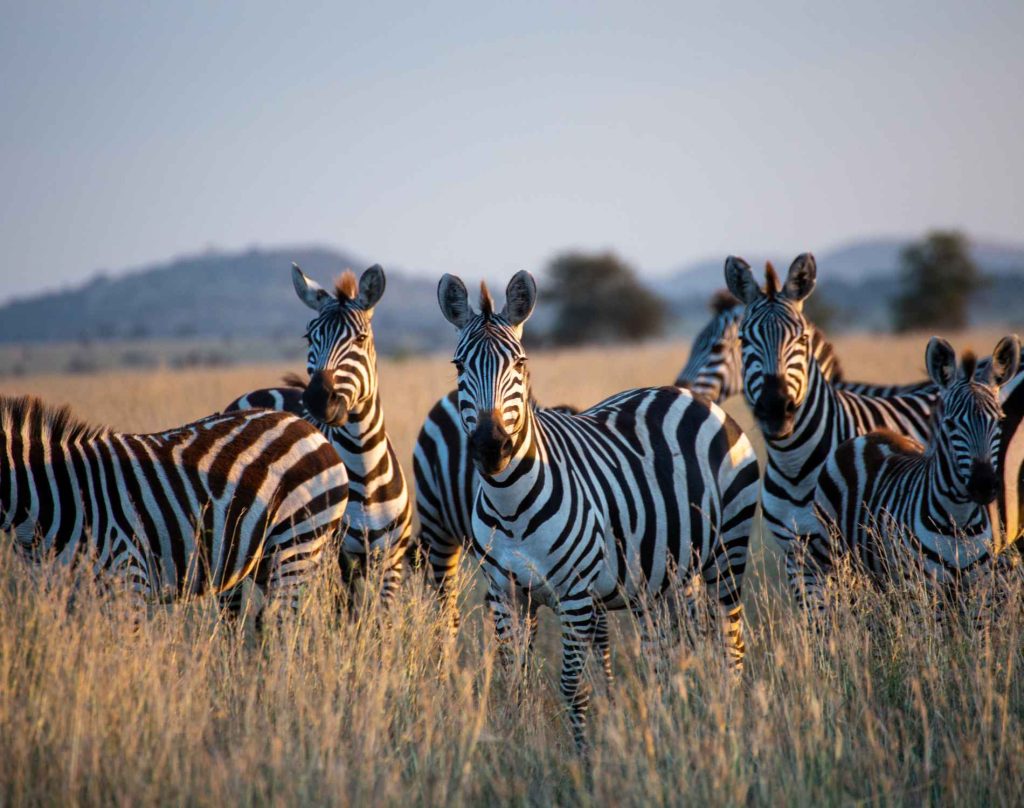
The Northern Circuit is Tanzania’s most famous and most visited safari region, and for good reason.
Its headline draw is the Great Migration – roughly 1.5 million wildebeest, plus hundreds of thousands of zebra and gazelle, moving across the Serengeti in a year-round loop. Depending on the season, you might witness river crossings in the north, dramatic predator activity, or the calving season on the southern plains.
The region also delivers density and variety in a compact area:
- Serengeti National Park – vast open plains, strong big-cat populations, and the migration.
- Ngorongoro Crater – a collapsed volcanic caldera packed with wildlife, and the most reliable place in Tanzania to see black rhino, completing the Big Five in a single location.
- Tarangire National Park – famous for large elephant herds and baobab-dotted landscapes, especially strong in the dry season.
- Lake Manyara National Park – birdlife, tree-climbing lions, and a scenic Rift Valley setting.
Because these parks connect by road, the Northern Circuit works well as a driving loop, though fly-in options exist too. It’s also easy to pair with a Kilimanjaro climb or a Zanzibar beach stay, which is why many first-time visitors choose it.
The Southern Circuit Safari Tanzania at a Glance
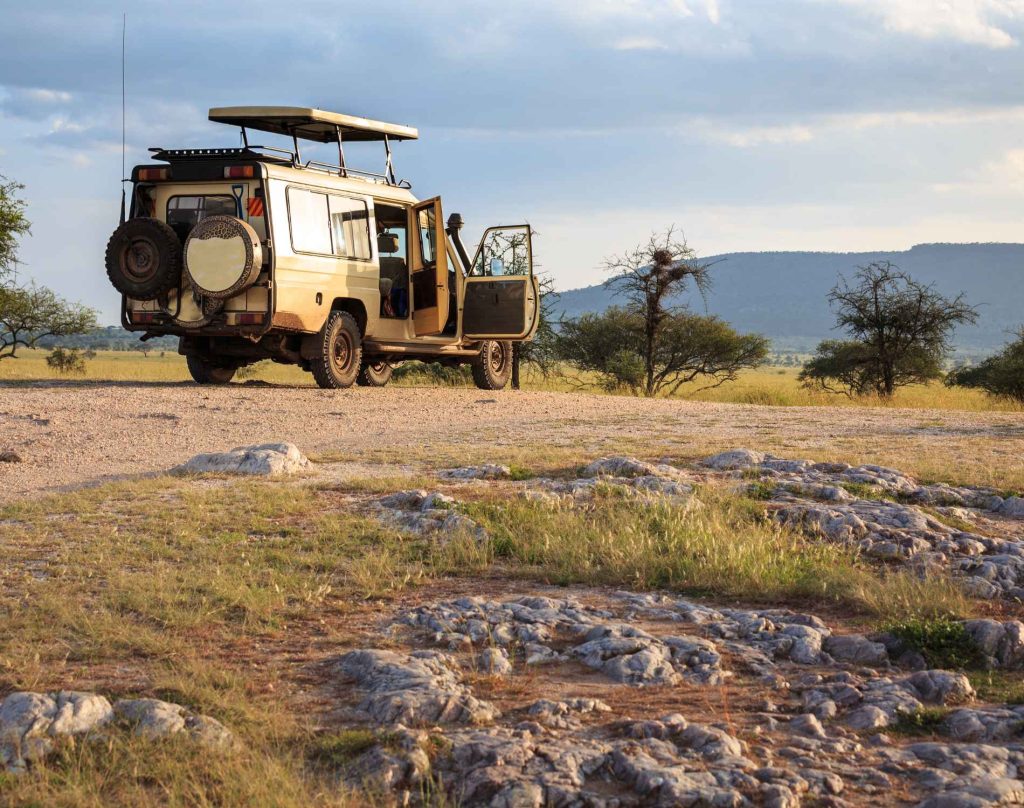
The Southern Circuit is wilder, quieter, and more remote. There’s no Great Migration here, but what it offers instead is a sense of space and exclusivity that’s harder to find up north.
- Nyerere National Park – one of Africa’s largest protected areas, defined by the Rufiji River. It’s known for boat safaris, walking safaris, and excellent predator sightings, including one of the continent’s most significant populations of endangered African wild dogs.
- Ruaha National Park – home to enormous elephant populations and unusually large lion prides. Ruaha sits where East and Southern African ecosystems overlap, so you can spot species like greater kudu, sable, and roan antelope that rarely appear in the north.
- Mikumi and Udzungwa – accessible add-ons, with Udzungwa offering rainforest hikes and endemic primates rather than classic game drives.
The trade-off is honest: the Southern Circuit reliably delivers four of the Big Five, but rhino are extremely rare here. If ticking off all five is a priority, the north has the edge.
What the south does exceptionally well is atmosphere. You can go hours without seeing another vehicle at a sighting.
Head to Head: The Key Differences

Before the detail, here’s the comparison at a glance.
| Factor | Northern Circuit | Southern Circuit |
|---|---|---|
| Great Migration | Yes – the only place to see it | No |
| Big Five | All five; rhino in Ngorongoro | Four reliably; rhino very rare |
| Crowds | Busier; vehicle clusters at prime sightings in peak | A fraction of the visitors; remote and quiet |
| Activities | Mainly vehicle game drives | Boat safaris, walking safaris, fly-camping |
| Access | Road loop from Arusha; easy to combine | Fly-in from Dar es Salaam; longer, quieter |
| Cost | Options across all budgets | Skews mid-to-high-end fly-in |
| Best time | Year-round, planned around the migration | Dry season; some camps close in heavy rains |
| Best for | First safari, migration, Big Five, combos | Repeat visitors, seclusion, variety, honeymoons |
Wildlife and the Great Migration
If seeing the migration is on your list, the Northern Circuit is the only realistic choice. It’s a genuine natural spectacle and, for many travelers, reason enough to go north.
The Southern Circuit counters with density and rarity: big elephant and predator numbers, wild dogs, and antelope species you won’t easily find elsewhere. For a first safari, the north tends to feel more “complete.” For a second or third safari, the south often feels more rewarding.
Crowds and Exclusivity
This is the sharpest difference. The Northern Circuit’s popularity means prime sightings – a Ngorongoro Crater lion pride or a Serengeti river crossing – can draw a cluster of vehicles in peak season.
The Southern Circuit sees a fraction of the visitors. If solitude, quiet, and a feeling of being somewhere genuinely remote matter to you, the south is hard to beat.
Activities Beyond the Game Drive
Northern Circuit safaris are built mainly around vehicle game drives, with walking and night drives available in some private concessions.
The Southern Circuit is more varied. Boat safaris along the Rufiji, guided walking safaris, and fly-camping give you different ways to experience the bush, not just different animals. For active or repeat travelers, that variety is a real draw.
Access, Logistics, and Combining with Other Trips
The Northern Circuit is easier to reach and easier to string together. Parks connect by road, and the region pairs naturally with Kilimanjaro or Zanzibar.
The Southern Circuit usually relies on internal flights from Dar es Salaam, since road transfers are long. That adds cost and a little complexity, but it’s also part of why the region stays quiet.
Cost
Prices vary widely by season, camp, and package type, so treat any figure with caution. As a general pattern, the Northern Circuit has more options across every budget, from mid-range to high-end luxury, which can make it more affordable to plan.
The Southern Circuit skews toward mid-to-high-end fly-in safaris and offers fewer true budget choices. But for the money, you’re often buying far greater exclusivity, which some travelers value more than a lower headline price.
Best Time to Visit
Both circuits shine in the dry season, roughly June to October, when wildlife concentrates around water and viewing is at its best.
- Northern Circuit: Excellent year-round, with timing usually planned around the migration. The southern Serengeti calving season falls around January to February; northern river crossings typically occur between July and October.
- Southern Circuit: More seasonal. Some camps close during the heaviest rains (often around March to May), when tracks flood and access is limited. If you’re set on the south, the dry months are the safer bet.
Which Circuit Is Right for You?
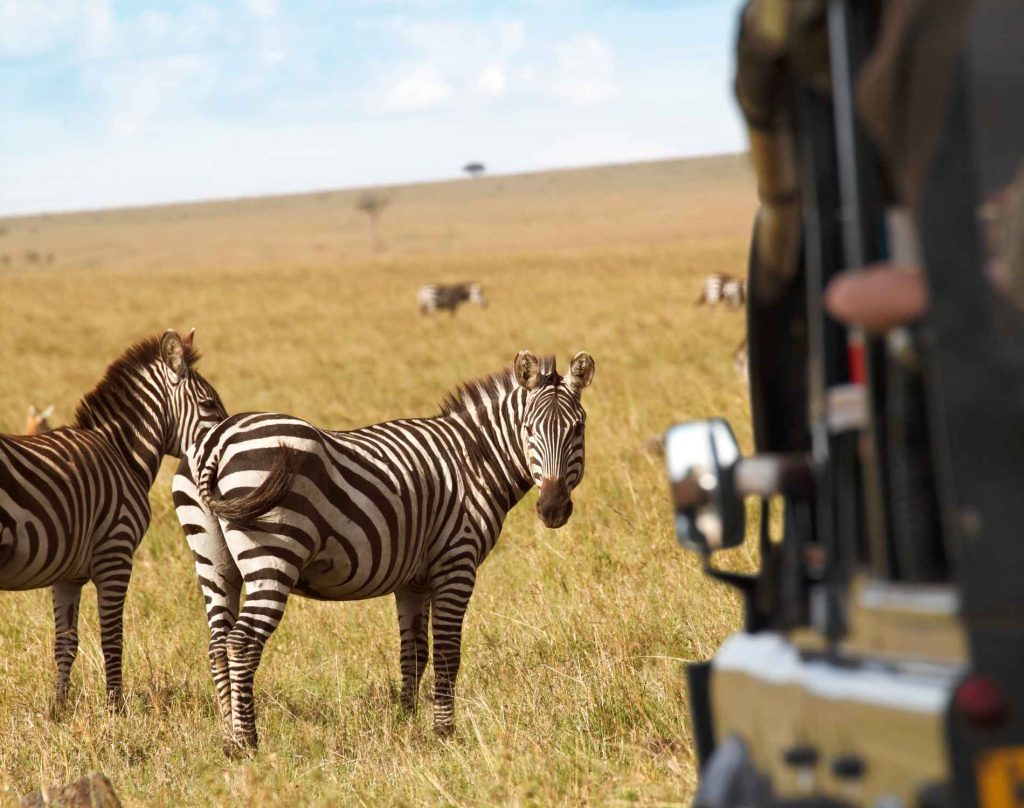
A quick way to decide, based on what you actually want.
Choose the Northern Circuit if you:
- Want to see the Great Migration.
- Are on your first African safari and want the iconic, bucket-list experience.
- Hope to see all of the Big Five, including rhino.
- Plan to combine your safari with Kilimanjaro or Zanzibar.
- Are traveling with family or want a wider range of price points.
Choose the Southern Circuit if you:
- Have been on safari before and want something different.
- Value seclusion and quiet sightings over big-name landmarks.
- Want boat and walking safaris, not just game drives.
- Are keen on wild dogs, huge elephant herds, or unusual antelope.
- Are planning a honeymoon or a more private, exclusive trip.
Neither answer is “better.” They’re built for different travelers.
Common Mistakes to Avoid
A few missteps come up again and again when people plan a Tanzania safari:
- Assuming the migration happens everywhere. It doesn’t. The Great Migration is a Northern Circuit event only.
- Booking the south in the wrong season. Arriving during peak rains can mean closed camps and limited access.
- Overpacking the itinerary. Trying to squeeze in too many northern parks in too few days means more driving and less quality time.
- Choosing on price alone. The cheapest option isn’t always the best value once you factor in crowds and travel time.
Can You Combine Both Circuits?
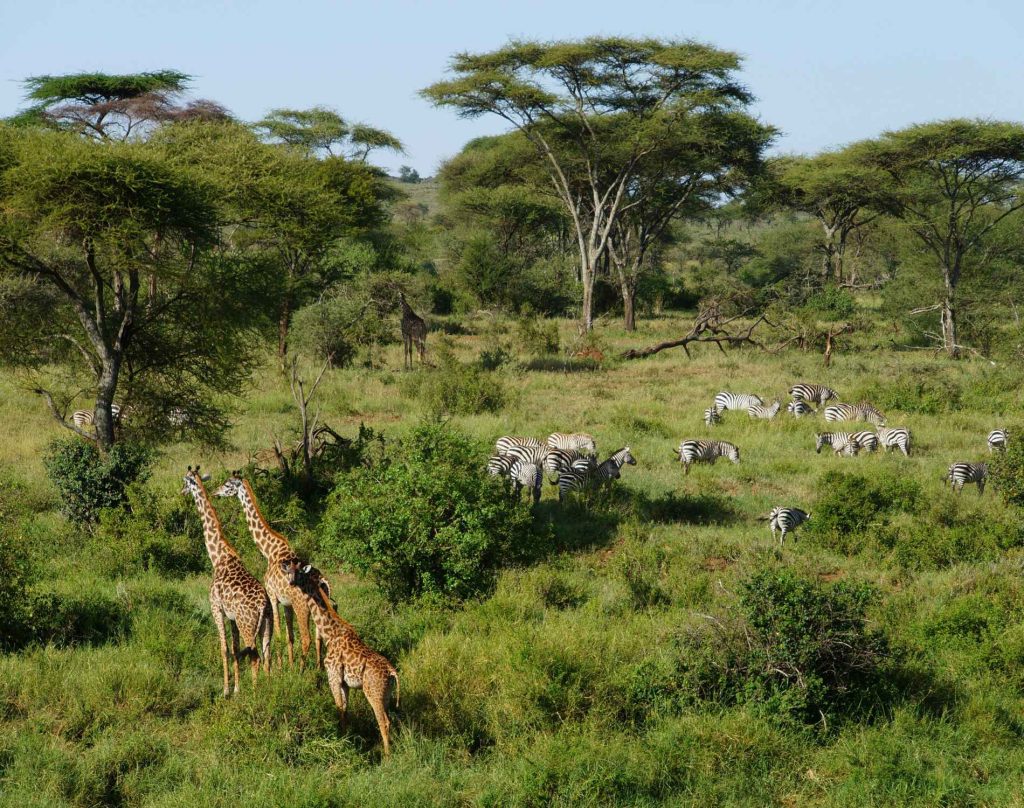
Yes, and many travelers do. Pairing the migration in the north with the wild remoteness of the south makes for an unforgettable trip that shows two very different sides of Tanzania.
The main considerations are time and budget. Because the circuits sit far apart, you’ll usually connect them with internal flights, so a combined itinerary needs both more days and more money. If you have around ten days or more and the budget allows, it’s a superb way to travel.
Final Thoughts
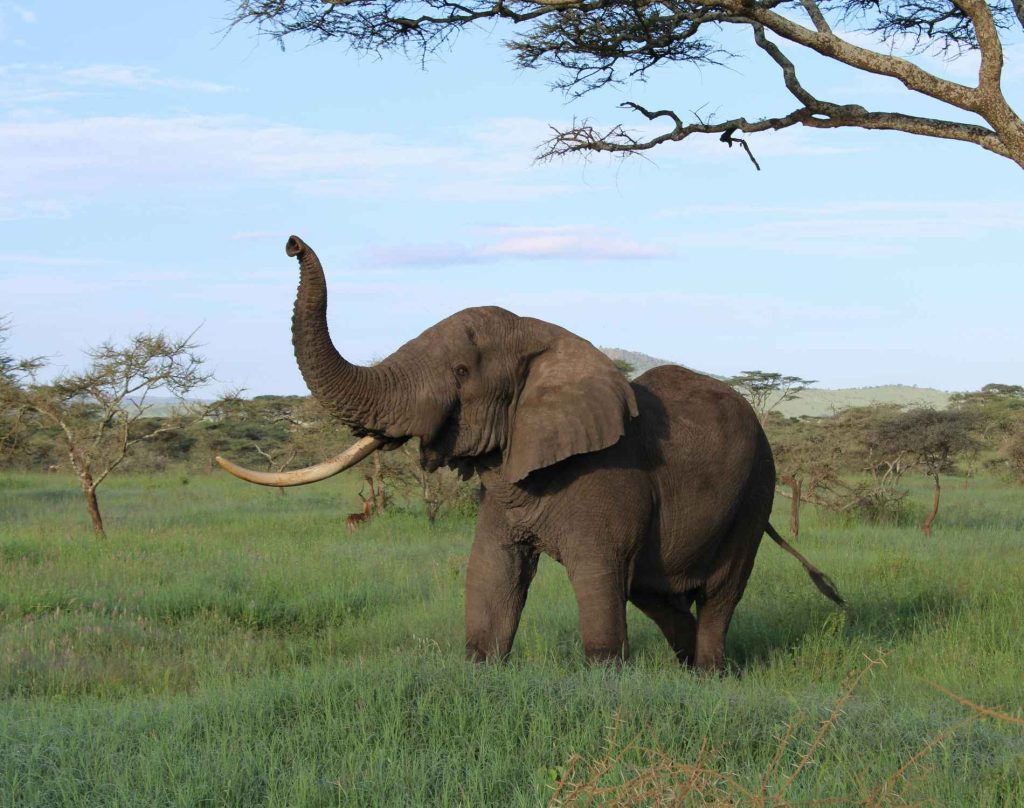
Deciding between a Northern Circuit safari in Tanzania and a Southern Circuit safari in Tanzania comes down to a simple question: what kind of experience do you want?
Go north for the Great Migration, the Big Five, and the classic, accessible safari most first-timers dream of. Go south for space, quiet, wild dogs, and a more varied, exclusive kind of adventure. Both reward you with extraordinary wildlife; they just do it differently.
If you’re still unsure which fits your travel style, dates, and budget, the smartest next step is to talk it through with a specialist who knows both regions well. A short conversation with African Safaris Hub about what you want from the trip will usually make the right circuit obvious – and save you from planning the wrong safari.
Frequently Asked Questions
Which circuit is better for first-time safari travelers?
The Northern Circuit is usually the better first choice. It’s more accessible, offers the Great Migration and the Big Five, and combines easily with Zanzibar or Kilimanjaro.
Can I see the Great Migration on the Southern Circuit?
No. The Great Migration takes place entirely within the Northern Circuit, mainly across the Serengeti. The south offers different highlights, such as large predator populations and wild dogs.
Which circuit is cheaper?
It depends on the season and style of travel, but the Northern Circuit generally has more options across all budgets. The south leans toward mid-to-high-end fly-in safaris with fewer low-cost choices.
Can I see the Big Five in both circuits?
The Northern Circuit reliably offers all five, with rhino best seen in the Ngorongoro Crater. The Southern Circuit reliably delivers four; rhino sightings there are very rare.
When is the best time to go on each circuit?
Both are excellent in the dry season, roughly June to October. The Northern Circuit works year-round depending on migration timing, while the Southern Circuit is best avoided during the heaviest rains, when some camps close.
Is it worth combining both circuits in one trip?
Yes, if you have the time and budget. A combined itinerary typically needs around ten days or more and internal flights, but it lets you experience two very different sides of Tanzania.